
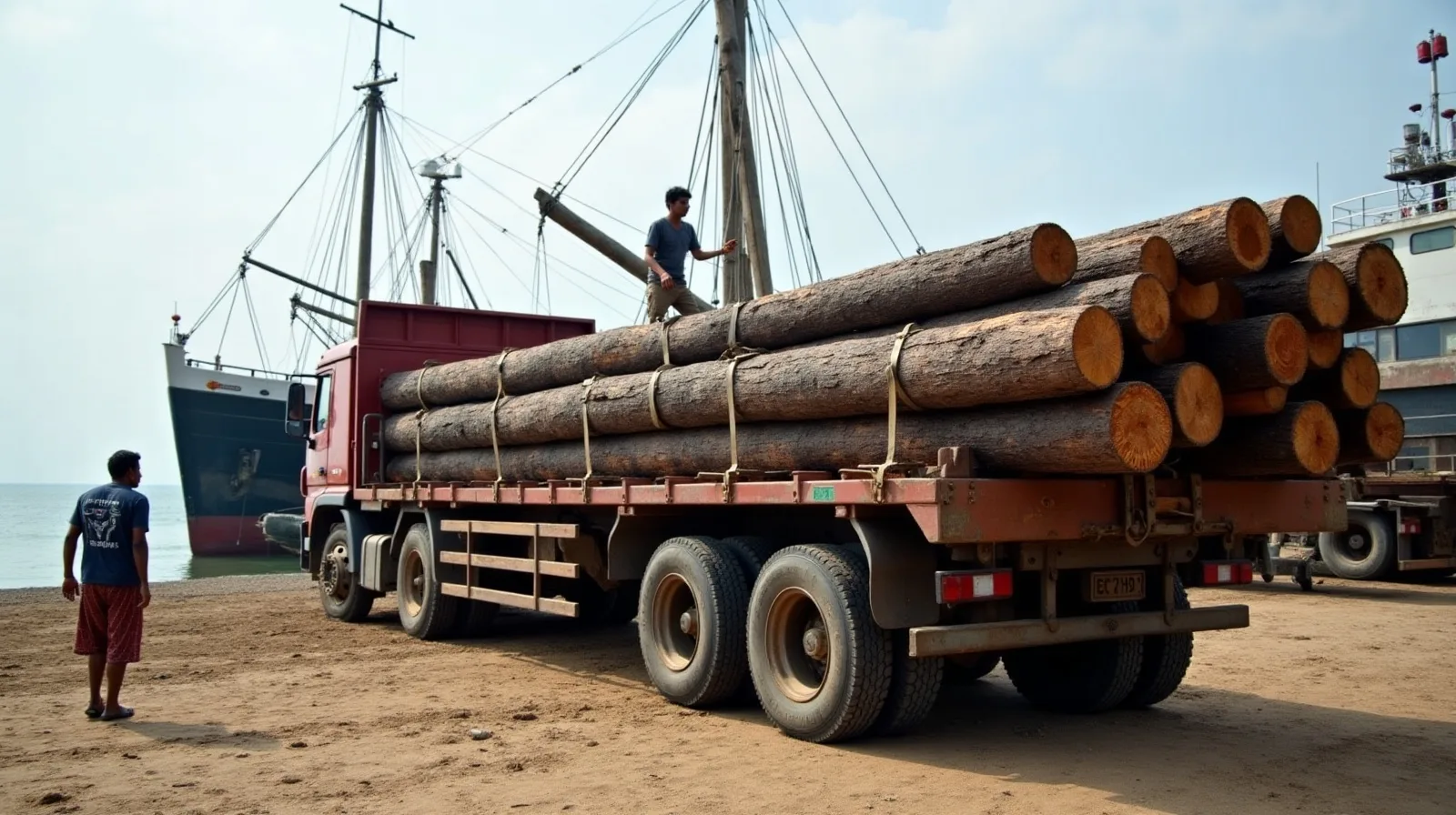
Sourcing Ironwood Ethically: Where Bulukumba’s Ulin Comes From
The ironwood (ulin, Eusideroxylon zwageri) in a Bulukumba keel comes overwhelmingly from Kalimantan — Indonesian Borneo — where the species grows slowly in lowland forest and is protected by harvest and export regulations. Sourcing it ethically means buying documented timber from licensed concessions and permitted community harvests, in legal dimensions, through Indonesia’s timber legality assurance system (SVLK), rather than from the undocumented trade. It costs more and takes longer, and it is the only version of the supply chain a serious international buyer should accept in writing.
Why Ulin Is Worth the Trouble
Ulin is one of the heaviest, most durable commercial timbers on earth — so dense it barely floats, extremely resistant to rot, marine borers, and time. Indonesian tradition uses it for the work that must not fail: house piles, bridge decks, and the keels, sternposts, and deadwood of wooden ships. A phinisi’s entire structure hangs on its ironwood spine, which is why the timber standards we publish for clients treat the keel stock as the first quality gate of a build; the full grading rules are on our ironwood and teak standards page. Nothing else available at scale combines ulin’s density, durability, and length — and the yards know it, which is why seasoned keel-grade baulks are hoarded like capital.
Where It Grows, and Why That Is the Issue
Ulin is native to Borneo, Sumatra, and nearby islands, but the commercial supply for boat building comes chiefly from Kalimantan. The species grows slowly — girth builds over many decades — and regenerates poorly after clear-felling, so a century of heavy use for construction across the archipelago has thinned accessible stands. Indonesia responded with layers of protection: ulin is restricted from raw export, harvest is limited to licensed concessions and regulated community forestry, and legal-size rules apply. The species sits on the IUCN Red List as vulnerable. None of this makes lawful use impossible — regulated domestic harvest for traditional industries continues — but it makes the difference between documented and undocumented timber the entire ethical question.
What Ethical Sourcing Actually Looks Like
In practice, a defensible ulin supply chain for a phinisi build has four features:
- Licensed origin. Timber from concessions or community harvests holding legal permits in Kalimantan, entering trade with transport documents that match the load.
- SVLK legality assurance. Indonesia’s timber legality system (SVLK/V-Legal) exists precisely to certify chain of custody from stump to buyer; reputable suppliers can produce the paperwork.
- Right-sized purchasing. Ordering the dimensions the structure needs — long baulks for keels, crooks where curves are wanted — rather than over-buying oversize stock that drives waste of a slow-grown species.
- Full utilisation. In the yards, ironwood offcuts become cleats, wedges, blocks, and fittings. Watching a crew treat ulin scraps as too valuable to burn tells you what the material means on this coast.
When we manage a commission, these points move from good intentions to contract language: species, origin, documentation, and dimensions are specified before the keel milestone, and the paper trail joins your build file — the same documentation discipline described on our how to commission page.
Substitutes, Trade-offs, and Honest Answers
Clients sometimes ask whether the keel could avoid ulin entirely. Honestly: for the traditional structure, there is no equal substitute, and the yards’ view is unambiguous. Alternatives exist in adjacent roles — bitti carries the planking and framing tradition of Sulawesi itself, teak covers decks and joinery, and dense imported hardwoods appear occasionally — but for keel and deadwood, documented ulin remains the standard the coast builds on. The ethical answer is not avoidance; it is buying less, buying legally, seasoning properly so nothing is wasted, and building hulls that last half a century. Longevity is the deepest form of sustainability this craft offers: a keel that serves sixty years amortises its forest cost across generations of use — including the working charter life many of these hulls lead with our sister fleet at Komodo Luxury boat construction.
Cost follows the same logic. Documented, keel-grade ulin commands a premium over grey-market timber, and seasoning ties capital up for years — factors reflected in the honest budget ranges of our phinisi price guide. A quotation that undercuts the market on ironwood is usually telling you where the timber came from.
Is it legal to use ulin in a new boat?
Yes. Indonesian regulation restricts export and controls harvest; it does not prohibit lawful domestic use of documented timber, and traditional boatbuilding is among the industries the regulated supply serves. The obligation on the buyer is to insist on that documentation.
How can an overseas owner verify the timber’s origin?
Through the paperwork chain: supplier permits, transport documents, and SVLK legality certificates, which we collect and reconcile against the physical stock at the yard. Provenance claims that cannot produce paper do not enter our build files.
Does ethical sourcing delay the build?
It can add lead time if the yard is not already holding documented stock — one more reason timber inventory is among our first questions when matching a commission to a yard, as covered in our post on seasoning timber the Bulukumba way. Yards with deep, documented stacks start sooner.
Is recycled ironwood an option?
Sometimes, and it is prized: ulin reclaimed from old structures is fully seasoned and legally uncomplicated. Supply is irregular and dimensions are constrained, so it supplements rather than replaces fresh documented stock — but where suitable baulks exist, we are glad to specify them.
Want your build’s timber chain documented from forest to keel? Message us on WhatsApp at +62 811-3941-4563 or write to bd@juaraholding.com and we will set the specification with you.