
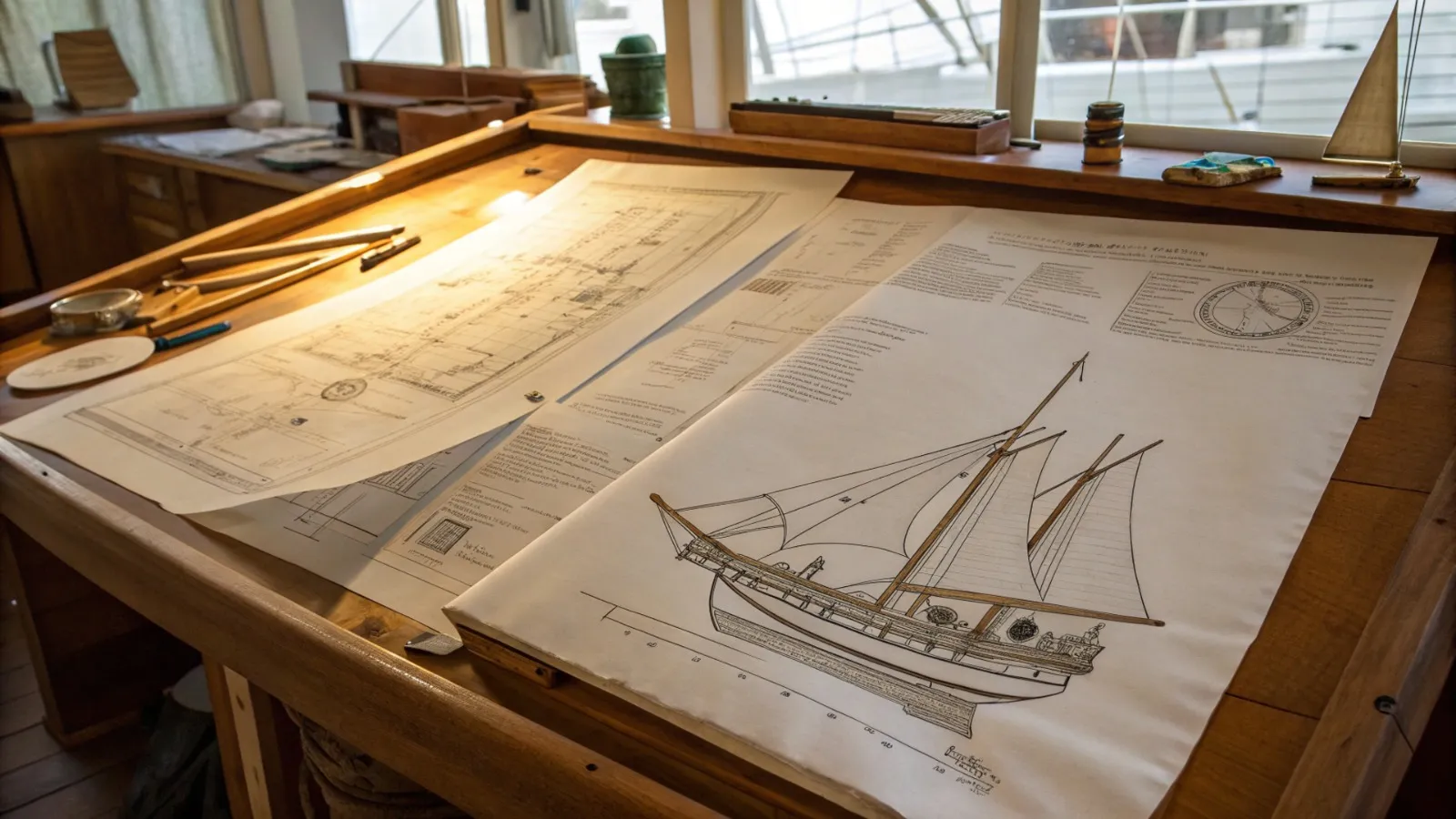
Ironwood beams and bitti planking at a Bulukumba phinisi boatyard

Ironwood & Teak: Bulukumba Timber Standards

Ask the Bulukumba ironwood boat builders why their hulls last decades in tropical water and the answer starts with timber selection, not carpentry. Three woods define a properly specified phinisi from this coast: ulin (ironwood) for the structure, bitti for the planking, and teak for the decks. This page sets out what each timber does, why substitutions matter, and the standards we hold yards to in writing on every build we manage — because on a wooden ship, the material specification is the safety specification.

Ulin (Ironwood): The Structural Backbone

Ulin — Eusideroxylon zwageri, Indonesian kayu besi, literally “iron wood” — is the timber of choice for the keel, stem, and structural members of a traditional phinisi. It is exceptionally dense (dense enough to sink in water), highly resistant to marine rot and boring organisms, and hard enough that working it dulls tools quickly — a cost the yards accept because an ulin keel is the difference between a hull measured in decades of service and one measured in years. On builds we manage, the keel and primary structure are specified as ulin in the build agreement, and timber arriving on the beach is checked against that specification before it goes into your boat rather than after.

Bitti: The Planking Wood That Bends to the Hull

Hull planking on a Bulukumba phinisi is traditionally bitti — Vitex cofassus, sometimes called New Guinea teak. Two properties make it the planking timber of this tradition: it is tough yet flexible enough to take the hull’s curves, and the trees themselves often grow with a natural bend that suits curved members — Indonesian sources note it is sourced from South Sulawesi, Southeast Sulawesi, Maluku, and Papua. In the traditional shell-first sequence, bitti planks are fitted and fastened to each other with wooden dowels, plank by plank, before the frames are installed — the reverse of most Western construction, and the reason a fair phinisi hull is judged by eye along its planking lines. The role this sequence plays in a build is described on custom phinisi construction.

Teak: Decks and Finish Work

Teak takes the deck and much of the visible finish work on higher-specification builds — the classic choice for weathered-surface durability underfoot, stability in sun and salt, and the look charter guests expect on a luxury vessel. Deck timber grade is one of the specification lines that moves cost meaningfully, which is why it is itemised in yard proposals rather than bundled — the phinisi price guide explains which specification choices drive budget hardest. Interior joinery may mix teak with merbau and other hardwoods depending on the design.

Seasoning, Sourcing, and What We Put in Writing

Good timber badly handled builds a bad boat, so the standards we document on a managed build go beyond species names:

  • Species per component — ulin for keel/stem/structure, bitti for planking, teak (with grade) for decks — named in the build agreement, not assumed
  • Seasoning — structural timber is air-dried before use; the yards’ practice of holding timber until it is ready is one reason lead times are quoted honestly rather than optimistically
  • Legality of source — timber for commercial builds is purchased through documented Indonesian supply channels, and sourcing paperwork accompanies the build file; ulin in particular is a regulated species, which is exactly why paper matters
  • Inspection at milestones — keel, framing, and planking stages are checked against specification with photographic records, per the milestone plan on how to commission

For a refit, the same discipline applies in reverse: the survey establishes which existing members are sound ulin and bitti worth keeping, and which are replaced — see refit and restoration.

Why Timber Standards Are the Real Yard Comparison

Two quotes for a 30m hull can differ substantially, and timber specification is often the quiet reason. A price that assumes mixed or substitute structural timber is not comparable to one that specifies ulin and graded teak — it is a different boat with the same silhouette. This is a large part of what our build management exists to police, and it is where the heritage matters: the Bugis-Konjo builders of Tana Beru and Bira have judged boat timber for generations, and pairing that judgement with written standards gives you both tradition and enforceability.

Is ironwood still available for new builds?

Yes, through documented supply channels, though it is a regulated, slow-growing species — which affects cost and sometimes lead time. That reality is priced into honest quotes; be wary of any proposal where structural ulin appears suspiciously easy.

Can a phinisi be built entirely of teak instead?

It would be the wrong tool for the job. Teak excels on decks and finish work, but the keel and structure want ulin’s density and rot resistance, and planking wants bitti’s toughness and flex. The traditional allocation of species to components is engineering, not habit.

How do I verify the timber in my build is what was specified?

Through the milestone inspections and photographic records in the build agreement, plus yard visits at keel and planking stages — and, at handover, an independent surveyor’s report, which we recommend on every build.

Where can I discuss a specification in detail?

Message WhatsApp +62 811-3823-875 or sales@komodoluxury.com, or start with the enquiry checklist on the contact page — timber standards are part of every specification call we run.

Scroll to Top