
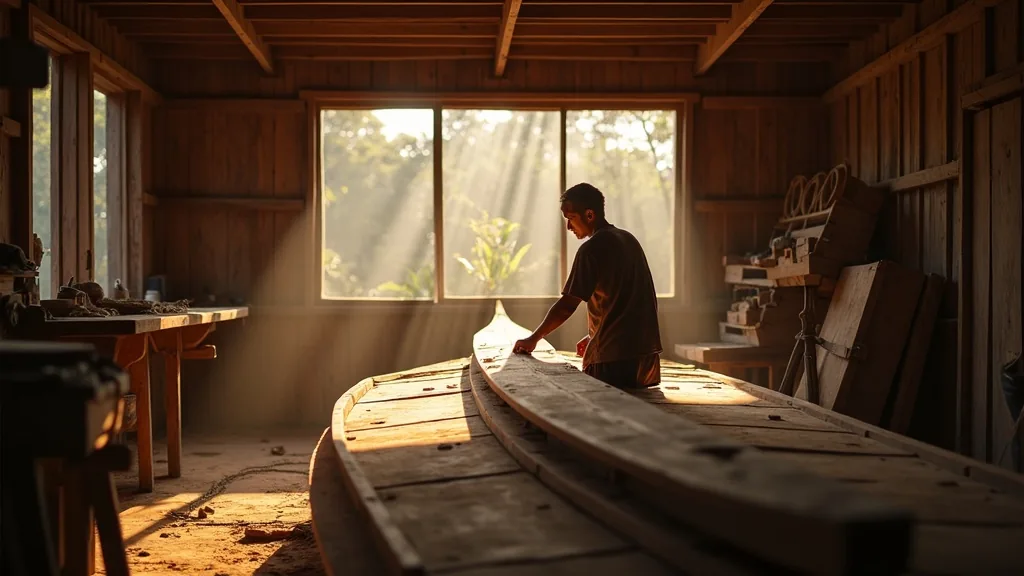
Step-by-Step Phinisi Building Process in Tana Beru
The step-by-step process to build a wooden phinisi in Tana Beru runs through nine recognizable stages: keel-laying ceremony, frame setting, plank-first hull joinery, deck and superstructure, masts and rigging, engine and systems installation, interior fit-out, launching ceremony, and sea trials before delivery. Each stage still follows the methods of the Konjo shipbuilding community that earned UNESCO Intangible Cultural Heritage recognition in 2017. For buyers commissioning a custom build, knowing this sequence in advance makes it far easier to plan a realistic budget, a build timeline, and even a site visit to Bulukumba.
What Is the Step-by-Step Process to Build a Wooden Phinisi in Tana Beru?
Tana Beru, a coastal village in the Bonto Bahari district of Bulukumba Regency, South Sulawesi, is one of three neighboring villages — alongside Bira and Ara — where phinisi hulls are still built directly on the beach, without dry docks or slipways. As of 2026, the step-by-step process to build a wooden phinisi in Tana Beru generally follows this order:
- Site preparation and timing of the keel-laying ceremony
- Selection and seasoning of ironwood (bitti) and teak
- Keel, stem, and sternpost assembly
- Plank-first hull construction, shaped before the frames go in
- Rib and frame fitting inside the completed shell
- Deck laying and superstructure (wheelhouse, cabins)
- Masts, rigging, and — for most modern builds — engine installation
- Interior fit-out, plumbing, electrical, and paint
- Launching ceremony, followed by sea trials and handover
Unlike Western yacht construction, where frames are erected first and planking follows, Tana Beru builders traditionally shape the outer hull planks first and only fit the internal ribs afterward — a sequence unique to this part of Sulawesi and one of the reasons the craft is protected as living heritage.
Before the keel is laid, serious commissions go through the naval architecture stage that precedes the keel — lines plan, stability data and structural sections the yard then builds to.
The Keel-Laying Ceremony: Where Every Phinisi Begins
Construction starts with a keel-laying ceremony (often on a date chosen for its perceived good fortune), where the first keel timber is laid on wooden blocks along the beach. This is not a formality — the keel and the two end pieces (stem and sternpost) are structurally the spine of the boat, and any misalignment here compounds through every later stage. Buyers visiting Tana Beru during this phase can literally see their boat as a single, uncut log resting on the sand.
Choosing the Timber: Ironwood, Teak, and Why It Matters
Bulukumba boat builders favor two species above all: ironwood (locally called bitti or kayu besi) for keels, ribs, and structural members because of its density and natural resistance to rot and marine borers, and teak for planking, decking, and interior joinery because it machines well and weathers gracefully. Timber is sourced, cut to rough dimension, and air- or kiln-seasoned before it ever touches the hull — rushed or poorly seasoned wood is the single biggest cause of early hull problems, which is why reputable yards build seasoning time into the schedule rather than skipping it.
Plank-First Hull Construction Without Steel Nails
Once the keel is set, shipwrights shape and fit hull planks edge to edge, curving them by eye and experience rather than computer-generated lines. Traditional joinery relies on wooden dowels (trunnels) driven through drilled holes to lock planks together, supplemented today by galvanized or stainless bolts on larger commercial and charter builds for extra strength. Only after the hull shell is largely complete are the internal ribs cut and wedged into place — the reverse of how a fiberglass or steel-framed boat is built, and the technical heart of the step-by-step process to build a wooden phinisi in Tana Beru.
Deck, Rigging, and Modern Systems Integration
With the hull closed, builders lay the deck, frame the wheelhouse and cabin superstructure, and step the masts. Most phinisi built for charter or private cruising today carry auxiliary diesel engines, generators, navigation electronics, and marine-grade plumbing and electrical systems worked into the traditional hull — a genuine hybrid of centuries-old carpentry and contemporary systems. This is also where buyers commissioning a custom phinisi yacht construction project specify air-conditioning capacity, generator sizing, water-maker systems, and cabin layout, since retrofitting these after planking is far more disruptive than designing them in from the start.
Interior Fit-Out and Finishing
Interior work — cabinetry, upholstery, bathrooms, saloon finishes, paint, and varnish — typically runs in parallel with late-stage systems installation. This is the phase where a working cargo-style phinisi and a luxury liveaboard yacht diverge most visibly in cost and craftsmanship, even though both share the same hull-building method underneath.
The Launching Ceremony and Sea Trials
When the hull is complete, the boat is launched — traditionally with a ceremony and, for larger vessels, considerable manpower or winches to move the hull from the beach into the water, since Tana Beru shipyards still build tidally rather than in fixed dry docks. Sea trials follow: engine performance, stability, sail handling where rigged, and a punch-list of finishing items before the vessel is signed off and handed to its owner or delivery crew.
How Long Does It Take to Build a Phinisi in Tana Beru?
Build time depends heavily on length and specification. As a general guide for 2026:
| Hull Length | Typical Build Time | Common Use |
|---|---|---|
| 15–20 meters | 10–14 months | Small charter or dive liveaboard |
| 20–30 meters | 14–20 months | Mid-size luxury liveaboard |
| 30–45+ meters | 20–24+ months | Large custom superyacht-style phinisi |
These ranges assume steady timber supply, a confirmed specification before planking begins, and no major mid-build design changes — the most common cause of delay is buyers revising cabin layouts or systems after construction has started.
What Does It Cost to Commission a Custom Phinisi?
Pricing varies widely with length, wood grade, engine specification, and interior finish, so any figure quoted online should be treated as indicative only. As a rough starting orientation for 2026 budgeting:
| Category | Indicative Starting Range (USD) |
|---|---|
| Small working or dive liveaboard (15–20 m) | Low six figures |
| Mid-size luxury liveaboard (20–30 m) | Mid to high six figures |
| Large custom luxury phinisi (30–45+ m) | Seven figures and up |
Disclaimer: these bands are indicative and change with material costs, currency movements, and specification — they are not a quotation. We do not publish guaranteed figures or fixed regulatory timelines here; every project needs a written, itemized quotation from the shipyard for your exact length and specification, and buyers should independently verify current Indonesian import, flagging, and ownership requirements relevant to their home country before committing funds.
Delivery to Bali, Labuan Bajo, and Beyond
Once sea trials are complete, most phinisi built in Bulukumba are delivered under their own power or with a professional delivery crew to Bali or Labuan Bajo, the two main hubs for Komodo-area charter operations. Many charter-ready phinisi cruising Komodo National Park today were originally built in Tana Beru or the neighboring Bira and Tana Beru shipyards before relocating east. Owners who base their finished phinisi in Bali for maintenance, crew changes, or private use often berth at Kurakura Marina, a dedicated marina facility serving the Bali boating community.
Plan a Tana Beru Site Visit
Because the step-by-step process to build a wooden phinisi in Tana Beru happens in the open, on the beach, it is one of the few boatbuilding traditions in the world buyers can watch firsthand at every stage. A practical two-to-three-day itinerary looks like this:
- Day 1: Fly into Makassar, drive roughly 4–5 hours (or connect via Bira) to Bulukumba; check into Tanjung Bira for the night.
- Day 2: Visit the beach shipyards of Tana Beru to see hulls at different construction stages — keel-laying, plank-first hulls, and boats nearing launch.
- Day 3: Continue to Ara village to see complementary carpentry and finishing workshops, then return via Bira or Makassar.
For buyers actively commissioning a build, coordinating this visit with your project manager around a keel-laying or launching ceremony gives the most memorable — and most useful — view of construction progress.
Commission Your Phinisi Build End-to-End
Understanding this process is the easy part; managing timber sourcing, shipyard selection, milestone payments, systems specification, and delivery logistics from overseas is where most independent buyers run into trouble. Juara Holding Group coordinates the full build journey on the ground in Bulukumba — from initial specification and shipyard vetting through construction oversight, sea trials, and delivery to Bali or Labuan Bajo — as part of Juara Holding Group, operating from Bali across Indonesia since 2015.
To discuss a custom build, timeline, or an on-site visit to Tana Beru, contact our team on WhatsApp at +62 811-3941-4563 or email bd@juaraholding.com.