
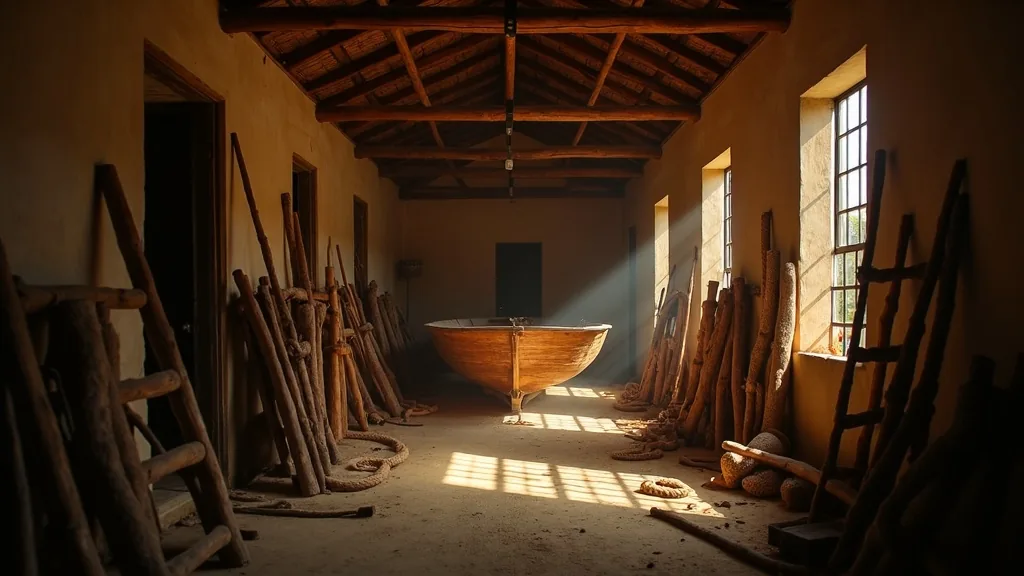
15-30m Phinisi Build Timeline in South Sulawesi
The typical construction timeline for a 15 to 30 meter phinisi yacht in South Sulawesi runs from roughly 12 months for a compact 15-meter hull to 20-24 months for a full 30-meter liveaboard, with the gap driven mainly by hull volume, interior fit-out complexity, and how much of the timber stock is already seasoned when the keel goes down. Builders working out of Bulukumba’s Tanjung Bira and Tana Beru villages still follow the same hand-built, keel-first sequence their grandfathers used, so the schedule scales with size in a fairly predictable way. This guide breaks that timeline down by hull length so a buyer evaluating a 15m, 20m, or 30m build can set realistic order-to-launch expectations before signing a contract.
What Is the Typical Construction Timeline for a 15 to 30 Meter Phinisi Yacht in South Sulawesi?
As a working benchmark as of 2026, the typical construction timeline for a 15 to 30 meter phinisi yacht in South Sulawesi depends primarily on three variables: hull length (which drives frame and planking hours), the level of interior customization (cabins, air conditioning, galley systems, wheelhouse electronics), and seasonal timing around the wet-season months when outdoor hull work slows down. Bulukumba’s boatyards do not run an assembly line — each hull is laid, framed, and planked by a small crew working largely by eye and experience, a method tied to the Konjo shipbuilding tradition that UNESCO recognized as Intangible Cultural Heritage in 2017. That is precisely why size-segmented benchmarks are more useful than a single average figure.
| Hull Length | Typical Build Timeline | Common Use Case |
|---|---|---|
| 15 meters | 12-14 months | Private cruiser, small day-charter or 4-6 guest liveaboard |
| 20 meters | 15-18 months | Mid-size liveaboard, 6-8 guest Komodo-route charter |
| 30 meters | 20-24 months | Large liveaboard, 10-12+ guest charter or full owner-spec yacht |
15-Meter Phinisi: 12-14 Months
At the smaller end, a 15-meter hull typically moves through keel-laying and frame-up in 2-3 months, planking in 3-4 months, then deck structure, cabin joinery, and systems installation over the remaining 6-7 months. This size is popular with buyers who want a private family cruiser or a small charter boat and don’t need the tankage, generator capacity, or guest-cabin count of a full liveaboard. Because the hull volume is smaller, ironwood and teak requirements are lower, which is often the single biggest reason 15m builds finish closer to 12 months rather than 14.
20-Meter Phinisi: 15-18 Months
A 20-meter hull adds meaningful volume and usually one additional deck level, which extends both planking time and the interior fit-out phase. Most 20m commissions in this bracket are built for 6-8 guest charter operations running the Labuan Bajo-Komodo route, so builders factor in more marine-grade electrical work, larger generators, and multiple air-conditioned cabins — all of which add weeks compared to a 15m build. Owners who lock design decisions (layout, engine spec, AC brand) before the keel is laid tend to land at the 15-16 month end of this range rather than 18.
30-Meter Phinisi: 20-24 Months
At 30 meters, timeline length is driven less by hull carpentry alone and more by everything that goes into a full commercial-grade liveaboard: multiple guest decks, larger dive or water-sports storage, bigger fuel and water tankage, and more extensive marine systems (navigation, safety, communications) that typically require imported components with their own shipping lead times. Sea trials and fit-out punch lists also take longer on a boat this size. Buyers commissioning a 30m phinisi for Komodo or Raja Ampat charter operations should budget close to two years from contract to delivery-ready handover, and treat 20 months as an optimistic case rather than a guarantee.
Why Does Bulukumba Still Build on a Multi-Year Timeline?
Tanjung Bira and Tana Beru remain the center of Indonesia’s traditional phinisi construction because the craft itself has never industrialized the way steel or fiberglass boatbuilding has elsewhere. Keels and frames are typically cut from ironwood (kayu besi) for strength and rot resistance, with teak used for decking and interior joinery. Hulls are shaped without formal blueprints, using measurements passed down through generations of Konjo shipwrights — a method that produces exceptionally durable vessels but is inherently slower than CNC-cut, jig-assembled construction. Add in wet-season weather windows (roughly November to March) that limit outdoor planking and varnish work, plus the fact that ironwood sourcing has grown more regulated and less abundant in recent years, and it becomes clear why the typical construction timeline for a 15 to 30 meter phinisi yacht in South Sulawesi is measured in months-to-years rather than weeks.
Factors That Can Extend or Shorten a Build
- Wood seasoning and availability: pre-seasoned timber already at the yard shortens the schedule; sourcing fresh stock mid-build adds weeks or months.
- Design lock-in: owners who finalize layout, engine, and systems specifications before the keel is laid avoid the most common source of delay — mid-build change orders.
- Monsoon timing: hull and deck work laid out to avoid the heaviest wet-season months (roughly November-March) tends to stay closer to the low end of each size range.
- Imported components: generators, AC systems, navigation electronics, and safety equipment sourced from overseas carry their own shipping and customs lead times that run in parallel with hull work but can still become the critical path.
- Yard capacity: Tana Beru and Tanjung Bira builders often run several hulls at once; a yard with available slipway space and crew capacity at contract signing moves faster than one with a backlog.
What Does a Bulukumba Phinisi Build Cost?
Cost scales with hull length and specification level in roughly the same way timeline does — larger hulls, more cabins, and higher-end systems all add to the budget alongside the build schedule. Because pricing depends heavily on wood grade, engine brand, interior finish, and current material costs, we keep detailed, indicative figures in a dedicated resource rather than quoting fixed numbers here: see our phinisi yacht price guide for a size-by-size cost breakdown. Any figure quoted for a specific commission should be treated as indicative and confirmed in a written contract, since material costs and import duties can shift year to year.
From Bulukumba to Bali or Labuan Bajo: What Happens After Launch?
Once a hull is launched and sea trials are complete, delivery is typically handled as a supervised sailing voyage rather than a truck-and-trailer transport — phinisi are built to sail, and most owners have their new yacht delivered under its own power with an experienced delivery crew. A voyage from Bulukumba to Benoa in Bali, or onward to Labuan Bajo for Komodo-based charter operations, generally takes several days to just over a week depending on weather windows and routing. Building this delivery leg into the overall project timeline — rather than treating “launch” as “arrival” — is one of the more common planning gaps we see with first-time phinisi buyers.
For owners basing their new phinisi in Bali, our ecosystem partner Kurakura Marina provides berthing and marina support on the Bali side, which pairs naturally with a Bulukumba-built hull heading south for its home port.
Commissioning a Custom Phinisi Build End-to-End
Because the typical construction timeline for a 15 to 30 meter phinisi yacht in South Sulawesi spans more than a year in most cases, the projects that finish on schedule are almost always the ones where sourcing, contracting, and on-site supervision are handled as one continuous process rather than separate, disconnected steps. Our team manages that full arc — from yard selection and specification through construction oversight and delivery — so owners get progress visibility without needing to be on-site in Bulukumba for the full build. For a deeper look at how a custom commission is structured from first contract to handover, see our guide to custom phinisi yacht construction.
Plan Your Phinisi Build With a Team That Works the Full Route
Bulukumba Boat Builders is part of Juara Holding Group — operating from Bali across Indonesia since 2015 — which means we support a phinisi commission from the Tanjung Bira and Tana Beru yards all the way through delivery to Bali or Labuan Bajo, not just the construction phase in isolation. Whether you’re comparing a 15m private cruiser against a 20m charter build, or scoping a full 30m liveaboard for Komodo operations, getting a realistic timeline early makes every other decision — budget, charter season planning, crew hiring — easier to sequence correctly.
To discuss a build timeline for your specific hull length and use case, message us on WhatsApp at +62 811-3941-4563 or email bd@juaraholding.com.