
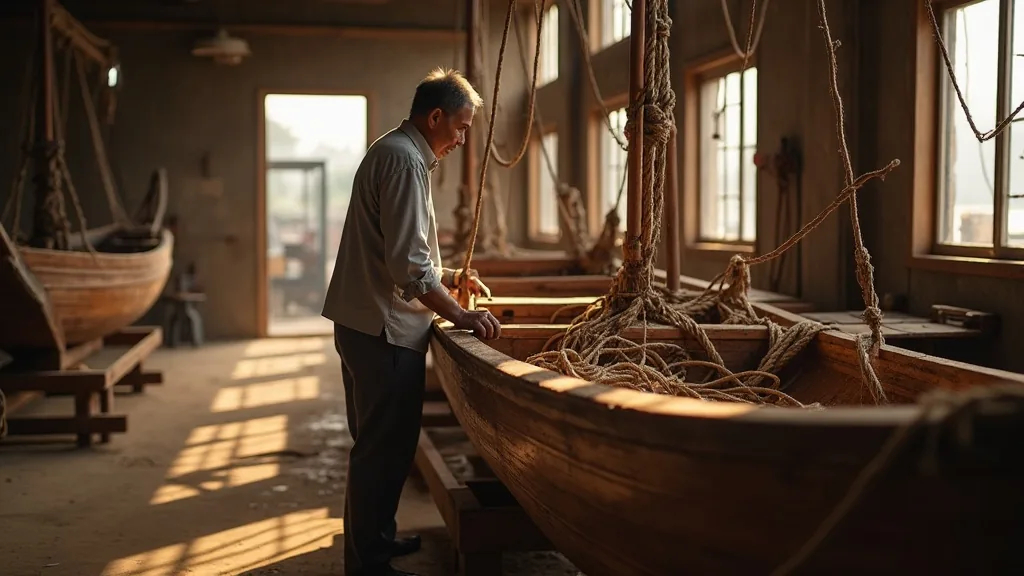
Phinisi Refit vs New Build: Cost Compared
How much does a refit or major renovation of a Bulukumba-built phinisi cost? As of 2026, a cosmetic refresh typically starts in the low tens of thousands of US dollars, while a structural refit or full major renovation of an older wooden hull can run into the low-to-mid six figures — often 30-60% of what a comparable new build would cost, depending on hull condition, engine and systems scope, and interior finish level. A brand-new custom phinisi, by comparison, is a multi-year commitment with a materially higher ceiling but a blank slate on layout, propulsion, and compliance.
For owners and operators weighing whether to save an existing hull or start fresh, the decision usually comes down to three questions: what condition is the current boat really in, what do you need the finished vessel to do commercially, and how much time do you have before charter season or a delivery deadline. This guide lays out indicative cost ranges for both paths so you can make that call with real numbers in front of you, not guesswork.
How Much Does a Refit or Major Renovation of a Bulukumba-Built Phinisi Cost?
There is no single number, because “refit” covers everything from a repaint and new upholstery to a full strip-to-frame rebuild with new engines, generators, and interior joinery. In practical terms, the cost of a refit or major renovation of a Bulukumba-built phinisi tends to fall into a few broad bands:
- Cosmetic and systems refresh: paint, varnish, soft furnishings, plumbing and electrical touch-ups, minor deck repairs. This is the lowest-cost tier and the fastest to complete.
- Mechanical and structural refit: engine or generator replacement, rigging and sail-handling gear, selective plank or frame repair, tank and systems overhaul. Costs climb here because much of the work is invisible once finished but expensive to execute properly.
- Full major renovation: extensive hull repair or partial re-planking in ironwood or teak, complete interior rebuild, new electrical and navigation systems, and often a layout change to meet current charter or liveaboard standards. This is the closest a refit gets to a new build in scope, and the price reflects it.
As a rough guide, a full major renovation on a mid-size traditional hull (roughly 20-30 meters) commonly lands somewhere between 30% and 65% of a comparable new-build price, with the wide range driven almost entirely by how much of the original ironwood or teak structure survives close inspection. These figures are indicative only — every quote at Bulukumba Boat Builders follows an in-person hull survey, since two boats that look similar from the dock can have very different frame and keel condition underneath.
What Drives Refit Cost Up or Down?
Four factors move the number more than anything else on paper:
- Hull and keel condition. Ironwood ages well, but decades of charter use, poor haul-out cycles, or previous low-quality repairs can hide rot or fastener corrosion that only surfaces once planking comes off.
- Engine and systems scope. Repowering, adding stabilizers, or bringing electrical systems up to current standards is often the single biggest line item in a mechanical refit.
- Interior ambition. A refit that keeps the existing cabin layout costs far less than one that reconfigures guest cabins, adds en-suite heads, or upgrades to a fully custom joinery package.
- Documentation and compliance. If the vessel needs updated survey certificates, flag registration changes, or commercial charter compliance work alongside the physical refit, that adds both cost and time.
Timelines follow the same logic: a cosmetic refresh can be done in a matter of weeks, a mechanical or structural refit typically runs several months, and a full major renovation on an older hull can take six months to a year — sometimes longer if hidden structural issues are found once the boat is opened up. For a detailed breakdown of what each stage involves and how our team scopes a project before quoting, see our dedicated page on phinisi refit and restoration in Bulukumba.
How Does That Compare to Commissioning a New Phinisi?
A new-build phinisi from Bulukumba — built in the traditional yards around Tana Beru and Tanjung Bira by Konjo craftsmen, a shipbuilding practice recognized by UNESCO as Intangible Cultural Heritage since 2017 — is priced from the keel up: timber (typically ironwood for structural members and teak for decking and joinery), hull size, engine specification, and interior finish level all factor in before a single plank is laid. Build time for a new phinisi generally runs 12 to 24 months depending on length and complexity, which is longer than even a heavy refit but gives you full control over layout, cabin count, and systems from day one — a major reason so many Komodo-bound charter liveaboards originate here rather than as conversions.
Because new-build pricing scales with size, propulsion choice, and finish level rather than sitting in a fixed band, we cover it in more depth separately. If you are early in scoping a new commission, our phinisi yacht price guide breaks down what drives new-build cost by vessel size and specification.
Refit vs New Build: Quick Comparison
| Factor | Refit / Major Renovation | New Build |
|---|---|---|
| Typical cost vs. comparable new build | Roughly 30-65% (indicative, condition-dependent) | 100% baseline |
| Typical timeline | Weeks (cosmetic) to ~6-12 months (full renovation) | 12-24 months |
| Layout flexibility | Limited by existing hull and frames | Fully custom from keel up |
| Risk profile | Hidden structural issues possible until hull is opened | Known scope, but longer lead time |
| Best suited for | Sound hull, budget-conscious upgrade, faster return to service | Specific new layout, long-term ownership, new charter brand |
Prices above are indicative planning ranges, not fixed quotes — actual cost depends on the hull survey findings, chosen materials, and equipment specification, and should be confirmed in writing before any contract is signed.
Which Path Actually Makes Sense for Your Boat?
If you already own or are buying a phinisi and the hull survey comes back sound, a refit or major renovation is usually the faster and more capital-efficient route back to charter-ready condition — especially if the existing layout still works for your guest count and route. It also lets you keep an existing vessel’s history and registration where that has commercial value.
A new build makes more sense when the layout itself is the problem — you need more cabins, a different deck configuration, specific propulsion or generator redundancy for longer Komodo or Raja Ampat routes, or you are starting a charter brand where a fresh, fully documented build supports the story you are telling guests. It also removes the uncertainty of what a hull survey might find once work begins.
In both cases, delivery logistics matter. Whether it is a newly commissioned phinisi or a freshly renovated one, we coordinate sea trials and onward delivery to Bali, Labuan Bajo, or other Indonesian ports as part of the build or refit contract. For owners basing their vessel in Bali between charters, our ecosystem partner Kurakura Marina provides berthing and marina facilities in Bali for post-delivery sea trials, crew changeover, and routine haul-out — a convenient complement to a Bulukumba-built or Bulukumba-refitted hull.
Start With an Honest Assessment, Not a Guess
Because refit costs swing so widely on hull condition alone, the only reliable way to answer “how much will my refit or major renovation cost” is a physical survey and a written scope of work — not a rule-of-thumb percentage. The same applies in reverse: a new-build quote should be tied to a specific size, timber and engine spec, not a generic price list.
Bulukumba Boat Builders is part of Juara Holding Group, operating from Bali across Indonesia since 2015, and we handle both sides of this decision end-to-end — hull surveys and refit scoping in Tana Beru and Tanjung Bira, new-build commissioning with traditional Konjo craftsmen, and delivery coordination to Bali, Labuan Bajo, or wherever your phinisi needs to work next.
Tell us your hull’s history (or your new-build brief) and we will give you an honest, survey-backed cost picture rather than a placeholder number. Reach our team on WhatsApp at +62 811-3941-4563 or by email at bd@juaraholding.com to start the conversation.