
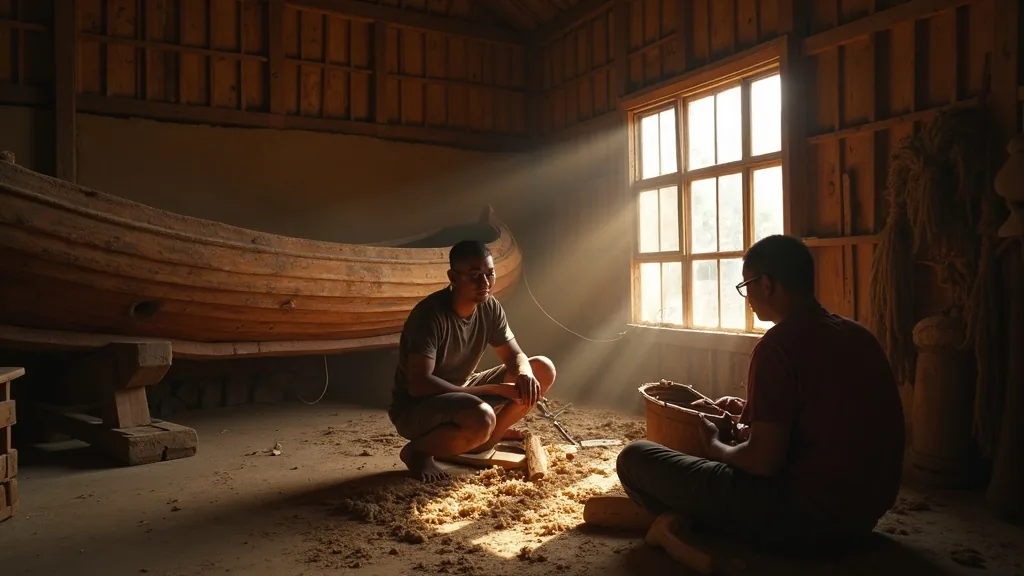
Mistakes Foreign Buyers Make Commissioning a Phinisi
The most common mistakes foreign buyers make when commissioning phinisi boats in South Sulawesi almost always trace back to three failures: a contract too vague to enforce, no independent inspection at build milestones, and a delivery timeline nobody stress-tested against monsoon season or wood-curing schedules. Each one is preventable on its own, but combined they explain most of the frustrating stories that circulate about custom boatbuilding in Indonesia. Knowing them before a deposit is wired is the single best protection a buyer has.
Bulukumba Regency, and specifically the villages of Tanjung Bira and Tana Beru, is the historic center of phinisi construction in Indonesia. Shipwrights from the Konjo ethnic group have built these twin-masted schooners on open beaches for generations, using boatbuilding knowledge that UNESCO recognized as Intangible Cultural Heritage in 2017. Hulls are still shaped from ironwood (bitti) or teak, largely by eye and hand tool rather than a fixed blueprint — part of what makes the craft remarkable, and part of why commissioning one from overseas needs more structure than most first-time buyers expect.
What Are the Most Common Mistakes Foreign Buyers Make When Commissioning a Phinisi in South Sulawesi?
Most disputes on a phinisi build are rarely about raw craftsmanship — the wood selection and joinery skill around Bulukumba is generally very good. They are about process: what was agreed, when it was checked, and who confirmed it. These are the mistakes that repeat, yard after yard.
1. Signing a Vague or Verbal-Only Contract
Many foreign buyers agree on a price and a rough description over WhatsApp, or with a handshake at the yard, then wonder why the finished boat doesn’t match what they pictured. A workable contract needs a written specification (length, beam, wood species and grade, engine make and horsepower, generator, tankage, interior layout, deck hardware), a fixed total price or a clear formula for any cost changes, a payment schedule tied to verifiable milestones, and a defined delivery point and date. If it isn’t written down and signed by both sides, it isn’t a term — it’s a hope.
2. Skipping Milestone Inspections
A custom phinisi build typically runs 12 to 24 months and passes through stages that are far cheaper to correct early than late: keel laying, frame and hull planking, deck and superstructure, then interior and systems fit-out. Buyers who only ever see photos the yard chooses to send, and never arrange an independent inspection at the hull stage, often discover problems only after the timber is already closed up and hidden from view. A site visit, or a third-party surveyor’s report, at two or three agreed milestones costs very little next to the value it protects.
3. Believing Unrealistic Timelines
A yard that quotes a full custom phinisi in six months, when comparable builds routinely take well over a year, is either underestimating the work or telling the buyer what they want to hear. Timber needs to season, hulls are faired by hand, and skilled Konjo shipwrights are often committed across several projects at once. Buyers who lock in a charter season or a loan repayment date against an aggressive build schedule, without any contractual buffer, are usually the ones left stressed and out of pocket when the build runs long — which it commonly does.
4. Paying the Full Amount Upfront
Wiring the entire contract value before a single plank is cut removes any real leverage to enforce quality, pace, or spec compliance later. A more balanced structure ties payment to milestones — a deposit to begin, further percentages at keel and frame completion, hull planking, and interior fit-out, with a final balance released only at sea trial and handover. This protects both sides: the yard keeps working capital to buy materials on schedule, and the buyer keeps enough of the total outstanding to matter if something needs correcting.
5. Overlooking Wood Grading and Sourcing
Not all ironwood or teak coming out of Bulukumba yards is the same grade, and pricing should reflect that difference honestly. Buyers who never specify wood species and grade in writing, and never ask where the timber comes from or how long it has been dried, sometimes end up with a hull built from whatever was cheapest and available that month. Ask for the grade to be named in the contract, and ask to see the timber stock before it goes into the hull.
6. Ignoring Delivery and Berthing Logistics
Getting a finished phinisi from Bulukumba to Bali, Labuan Bajo, or elsewhere is its own undertaking — sea trials, delivery crew, fuel, permits, weather windows, and a confirmed berth waiting at the destination. Buyers who finalize construction without also planning the delivery voyage and the receiving marina often end up with a brand-new boat sitting idle, because nobody arranged where it would actually dock. Confirming a berth, for example at Kura Kura Marina in Bali, before the boat ever leaves Sulawesi closes that gap before it becomes a problem.
Why Does Bulukumba Remain Indonesia’s Center for Traditional Phinisi Construction?
Bulukumba holds this position because the knowledge is generational rather than institutional. Skills pass from father to son and master builder to apprentice within the Konjo community, largely without formal drawings, which is exactly what UNESCO’s 2017 Intangible Cultural Heritage listing recognized. Many of the liveaboard and charter phinisi now sailing Komodo National Park and Raja Ampat routes were built in these same Tana Beru and Tanjung Bira yards, which is one reason serious operators still commission here rather than at newer, less experienced yards elsewhere in Indonesia. That heritage is a genuine asset — but it also means quality and pace vary yard to yard, which is exactly why the mistakes foreign buyers make when commissioning phinisi boats in South Sulawesi tend to repeat: the tradition is strong, the paperwork culture around it historically has not been.
How Long Does a Custom Phinisi Build Really Take?
As of 2026, build duration still depends mainly on size, wood availability, and how detailed the interior fit-out is. These ranges are general guidance, not a quotation for any specific vessel:
| Approximate Length | Typical Build Time | Common Use |
|---|---|---|
| 20–28 meters | 12–16 months | Private cruising, small charter |
| 28–35 meters | 16–20 months | Liveaboard charter (Komodo, Raja Ampat) |
| 35 meters and above | 20–24+ months | Larger charter or superyacht-style builds |
Delays beyond these ranges are common in the industry and are usually tied to timber sourcing, custom interior work, or a yard juggling multiple contracts — all reasons a written schedule with milestone checkpoints matters more than a verbal promise of a fixed date.
What Does a Transparent Phinisi Commissioning Process Look Like?
A process built to avoid the common mistakes foreign buyers make when commissioning phinisi boats in South Sulawesi generally includes a detailed written specification agreed before any deposit moves, a milestone-based payment schedule, scheduled or on-request inspections at the keel, hull, and fit-out stages, and a delivery plan agreed at contract signing rather than improvised at the end. This is the structure JHG follows when we manage a build on a client’s behalf — walking through it in more depth on our page on how we commission a custom phinisi boat. Buyers working with us always know which stage the build is at, and what has been checked.
How Much Does It Cost to Commission a Phinisi in 2026?
Pricing for a custom phinisi varies widely by length, wood grade, engine and generator specification, and interior finish level, so any number quoted without those details is only a starting reference, not a firm figure. For a fuller breakdown of what drives cost up or down, see our phinisi yacht price guide. Treat every figure as indicative — always request a written, itemized quotation tied to your specific vessel specification before committing to any payment.
Ready to Commission Your Phinisi Without the Guesswork?
Part of Juara Holding Group — operating from Bali across Indonesia since 2015 — our team manages phinisi builds in Bulukumba with a written contract, milestone inspections, and a delivery plan agreed upfront — so you avoid the common mistakes foreign buyers make when commissioning phinisi boats in South Sulawesi, instead of learning them the hard way. If you’re considering a custom build in Tanjung Bira or Tana Beru, talk to us before you sign anything with a yard directly.
Reach our team on WhatsApp at +62 811-3941-4563 or by email at bd@juaraholding.com to discuss your specification, timeline, and delivery plan.