
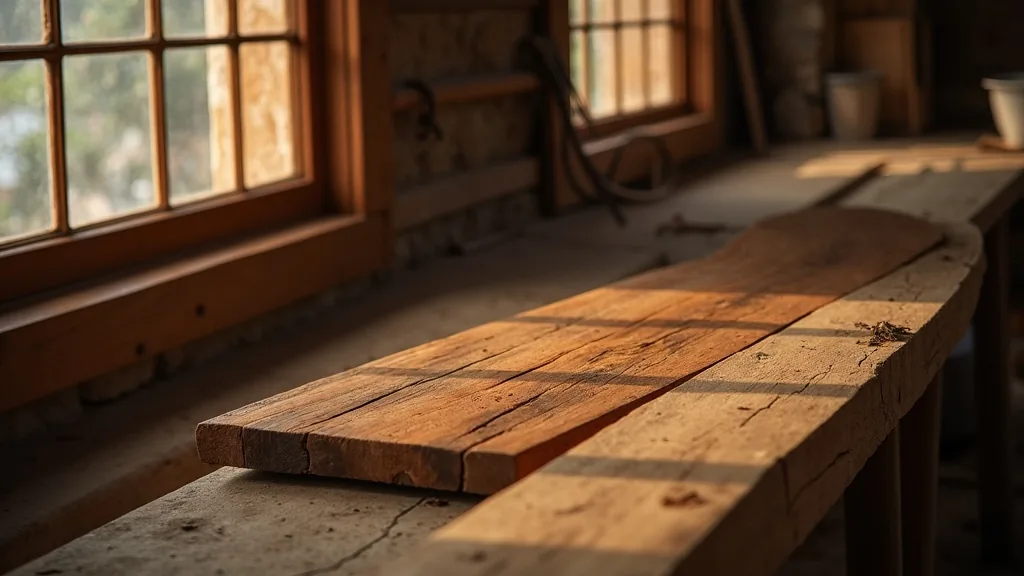
Best Wood for Phinisi Construction: Ironwood & Teak
Why do Bulukumba boat builders prefer ironwood and teak for phinisi yachts over any other timber combination available in Indonesia? Because these two species solve two entirely different engineering problems on the same hull: ironwood — known locally as bitti or kayu besi — supplies the density and rot-resistance a submerged hull needs to survive decades in warm tropical water, while teak’s natural oils make it the standard for decks, rails, and interior joinery that face constant sun and salt spray. As of 2026, this pairing still forms the backbone of traditional shipbuilding in Tana Beru and Tanjung Bira, the coastal villages of Bulukumba, South Sulawesi, where Konjo craftsmen have built phinisi hulls by eye and hand tool for generations.
That knowledge was formally recognized in 2017, when UNESCO inscribed Bulukumba’s phinisi boatbuilding art as an Intangible Cultural Heritage of Humanity. The designation didn’t invent the skill — it acknowledged a living practice that already supplied most of the traditional charter and liveaboard fleet operating out of Labuan Bajo for Komodo National Park trips, plus a growing number of private and commercial vessels headed to Raja Ampat and beyond. Wood selection sits at the center of that practice, and it’s worth understanding in detail before you commission a build.
Why Do Bulukumba Boat Builders Prefer Ironwood and Teak for Phinisi Yachts?
The short answer is that no single timber does both jobs well. A hull needs mass, hardness, and resistance to marine borers and rot in permanent or near-permanent water contact. A deck needs weather stability, slip resistance, dimensional consistency under sun exposure, and a surface that ages gracefully rather than splitting or cupping. Bulukumba’s builders learned through trial over centuries which local species answer each brief, and ironwood-hull-with-teak-deck construction is the result.
Ironwood (Bitti / Kayu Besi) for the Hull
Ironwood is among the densest structural timbers used in wooden shipbuilding anywhere, with a specific gravity high enough that fresh-cut logs can sink in water. That density is exactly what a hull planking and keel need: it resists impact, resists compression from ribs and fastenings, and — critically — resists the fungal decay and marine borer activity (shipworm, in particular) that destroy softer woods within a few seasons of saltwater immersion. A well-selected ironwood hull, properly maintained, is routinely expected to last several decades of active charter or private use, which is a large part of why it remains the default choice for hulls built in Tana Beru and Tanjung Bira rather than imported alternatives.
The trade-off is weight and workability — ironwood is genuinely difficult to cut, shape, and fasten, which is one reason hull construction is still done largely by hand by builders who have spent years learning the wood’s behavior rather than by machine. Sourcing is also a real constraint: mature ironwood takes a long time to grow, and responsible builders should be able to speak plainly about where their timber comes from rather than making vague sustainability claims. Ask directly, and expect a straightforward answer rather than a marketing one.
Teak for Decking, Rails, and Interior Joinery
Teak earns its place above the waterline for a different reason: natural oil content. Those oils make the wood naturally water-repellent and resistant to rot and insect attack without heavy chemical treatment, and they allow teak decking to handle direct tropical sun for years while resisting the warping and cracking that affects most other timbers. Teak is also dimensionally stable — it moves less with humidity and temperature swings than many alternatives, which matters on a deck that is fastened, caulked, and expected to stay watertight.
Grade matters enormously here. Old-growth and select-grade teak, with tight, straight grain, will outperform younger plantation teak with wider grain and more sapwood content — the latter is more prone to graying unevenly and wearing faster underfoot. This is exactly why Bulukumba boat builders prefer ironwood and teak for phinisi yachts as a pair, but why the grade of each timber — not just the species name on paper — is what actually determines how the boat performs and ages.
| Property | Ironwood (Bitti) | Teak |
|---|---|---|
| Primary use on a phinisi | Keel, ribs, hull planking | Deck, rails, cabin joinery |
| Key advantage | Density, rot and borer resistance below the waterline | Natural oils resist weathering and UV above the waterline |
| Workability | Hard, slow to shape, needs skilled hand tooling | Moderate — machinable, finishes well |
| Expected service life | Multiple decades with proper maintenance | Long-lived; decking may need periodic resurfacing |
Wood Grade and Resale Value
Buyers evaluating a phinisi — new build or resale — should treat wood grade as a due-diligence item, not a marketing footnote. A hull built from properly seasoned, well-selected ironwood and a deck finished in higher-grade teak will hold its structural integrity and its market value noticeably better than a boat built to a lower spec, even if the two look similar in photos. This is ultimately why Bulukumba boat builders prefer ironwood and teak for phinisi yachts destined for charter operation or resale rather than mixing in cheaper substitute species to cut costs: the wood is the asset. When you’re commissioning or buying, ask for details on timber sourcing, seasoning time, and grade — not just species names — and where possible have an independent survey done before final payment on any resale vessel.
How Does Wood Choice Shape Build Timeline and Price?
Timber selection and availability are two of the biggest variables in both build time and cost. Depending on the size and specification of the vessel, a phinisi build in Bulukumba typically runs 12 to 24 months from keel-laying to sea trial — smaller charter-class boats toward the shorter end, larger liveaboard or private yachts toward the longer end, with additional time if premium-grade ironwood or select teak isn’t immediately available in the required dimensions. Pricing is inevitably indicative rather than fixed at the point of first quote: it depends on hull length, timber grade, engine and systems specification, interior finish level, and current material availability, and it should always be confirmed against a written specification before any contract is signed. For a fuller breakdown of what drives phinisi pricing, see our phinisi yacht price guide, which walks through cost ranges by size and specification level.
Commissioning a Custom Phinisi Built in Bulukumba
Most buyers approaching a Bulukumba build fall into two groups: operators commissioning a charter vessel for the Komodo or Raja Ampat market, and private owners building a custom liveaboard for personal use. Either way, the process runs through the same stages — naval architecture and layout approval, timber selection and sourcing (this is the stage where hull-grade ironwood and deck-grade teak are locked in), frame and keel construction, planking, decking and joinery, systems installation, and sea trial before handover. Juara Holding Group coordinates this process end-to-end for international buyers, from initial specification through construction oversight in Tana Beru and Tanjung Bira to final handover, so you’re not managing a remote build alone. If you’re at the specification stage, our guide to custom phinisi yacht construction covers the build process in more detail, including how layout, engine choice, and finish level interact with timeline.
Delivery to Bali and Labuan Bajo
Once sea trials are complete, delivery is typically arranged to either Bali or Labuan Bajo, depending on the vessel’s intended operating base. A Labuan Bajo delivery puts the boat directly at the gateway to Komodo National Park, which is why so much of the charter and liveaboard fleet built in Bulukumba ends up berthed there. A Bali delivery suits owners who want easier access for maintenance, provisioning, and guest logistics closer to the island’s marine infrastructure — including berthing and marina support through our ecosystem partner Kura Kura Marina in Bali. Either delivery route involves its own permitting and logistics considerations that should be scoped out early in the build contract rather than left until handover.
Part of Juara Holding Group — operating from Bali across Indonesia since 2015 — our team coordinates phinisi commissioning end-to-end, from Bulukumba build oversight to delivery and marina placement, so buyers get one point of contact rather than a chain of separate contractors. If you’re weighing ironwood grades, teak specification, or timeline for a custom phinisi build, message us on WhatsApp at +62 811-3941-4563 or email bd@juaraholding.com and we’ll walk through your specification with you.