
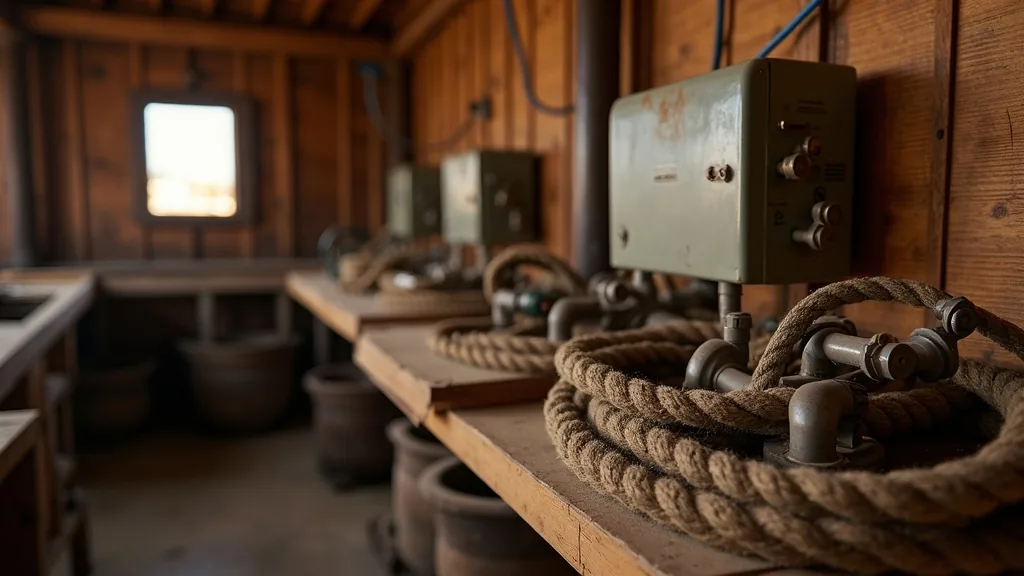
Modern Plumbing & Electrical in a Wooden Phinisi
Bulukumba boat builders integrate modern plumbing and electrical systems into a wooden hull by planning the mechanical, electrical, and plumbing (MEP) layout at the same stage as the keel and frame design — not as an afterthought once the timbers are already closed in. Conduits, tanks, and wiring runs are routed through the ironwood and teak framing before planking, then finished with marine-grade fittings, generators, and AC units sized to the boat’s actual load. The result, as of 2026, is a traditional phinisi hull that runs air conditioning, hot water, navigation electronics, and full house power as reliably as any modern fiberglass yacht.
This is one of the most common questions we hear from buyers evaluating a custom build in South Sulawesi: can a boat built with centuries-old joinery techniques really handle the comfort and reliability expectations of a modern charter yacht or private liveaboard? The short answer is yes — but only when the shipyard treats MEP as core naval architecture, not a bolt-on job finished in the last month of construction.
How Do Bulukumba Boat Builders Integrate Modern Plumbing and Electrical Systems Into a Wooden Hull?
In Tana Beru and Bira, the villages where phinisi construction has been passed down through generations of Konjo shipwrights and recognized by UNESCO as Intangible Cultural Heritage since 2017, the building sequence still starts with the keel, stem, and frames shaped from ironwood or teak. What has changed is what happens next. Before the outer planking closes the hull, the yard’s technical team marks out routing paths for electrical cable runs, fresh water lines, grey and black water plumbing, and AC ductwork — following a drawing set produced alongside the naval architect’s structural plan, not improvised on site.
This sequencing matters because a wooden hull, unlike a fiberglass one, cannot simply have holes cut into it after the fact without weakening frames or inviting rot around unsealed penetrations. Bulukumba boat builders who work to a modern standard cut bulkhead penetrations before final fairing, seal every through-hull with proper marine glands, and keep wiring looms clear of bilge water and structural members that flex under sail load. It is this discipline — modern MEP planning married to traditional joinery — that lets a wooden phinisi carry the same onboard comfort as a Western-built charter yacht.
Planning MEP Before the Keel Work Is Even Finished
A well-run build treats plumbing and electrical drawings as part of the naval architecture package, reviewed alongside hull lines and sail plan. This typically covers:
- Load calculations for house electrical systems (lighting, navigation, entertainment, galley equipment, air conditioning)
- Fresh water capacity and watermaker sizing based on guest count and cruising range
- Grey and black water holding tank placement, sized to comply with the itinerary’s typical discharge rules
- Generator sizing with redundancy for extended liveaboard operation away from shore power
- Cable and pipe routing that avoids high-flex zones near the keel and rudder post
Buyers commissioning a build should expect to see this as a written specification, not a verbal promise — it is one of the clearest signals of a shipyard that builds to international comfort standards rather than purely traditional cargo-boat expectations.
Electrical Systems: Generators, Wiring, and Redundancy
Most phinisi built for charter or private liveaboard use today run on one or two marine diesel generators, sized with margin for AC compressors, galley equipment, and house loads running simultaneously. Wiring is run in tinned marine cable, protected in conduit where it passes through frames, and terminated at a central distribution panel rather than daisy-chained circuits — a detail that matters enormously for long-term reliability in a humid, salt-air environment.
Inverter and battery bank capacity is typically specified to cover several hours of house loads at anchor without running the generator continuously, which keeps noise and fuel consumption down for guests overnight. Navigation electronics, bilge pumps, and safety systems are wired on separate circuits from entertainment and galley loads, so a single fault does not take down critical systems.
Plumbing: Fresh, Grey, and Black Water on a Traditional Hull
Fresh water systems on a modern phinisi combine tankage with a watermaker (reverse osmosis unit) for longer itineraries, feeding pressurized hot and cold water to cabins and galley. Grey water from showers and sinks and black water from heads are routed to separate holding tanks, discharged in line with the boat’s operating area and itinerary. All plumbing penetrations through the wooden hull are through-bolted and sealed with marine sealant and bronze or composite fittings — never simply drilled and caulked — which is the detail that separates a boat built for decades of charter service from one built to a lower standard.
Air Conditioning and Climate Control in a Wooden Hull
Air conditioning is one of the areas where buyers most often ask whether a wooden hull can really keep up with a modern yacht. In practice, chilled-water or split AC systems are installed with insulated ductwork run through the same cavities planned for cabling, with condensate drains routed to avoid trapped moisture inside the frames — a genuine risk if this step is skipped, since trapped condensation is one of the few things that can shorten the life of an otherwise sound ironwood or teak hull. Done properly, AC capacity is sized per cabin and zoned so guests can control their own space, exactly as on a contemporary yacht.
Quality Assurance and Sea Trials
Before handover, a properly built phinisi goes through system testing at the dock and again during sea trials: electrical load testing, plumbing pressure and leak checks, generator run-time testing, and AC performance checks under real operating conditions. This is also when a buyer’s own surveyor or naval architect, if engaged, should inspect wiring runs, tank installations, and through-hull fittings before final acceptance.
Pricing and Timeline for a Custom Phinisi With Full MEP
Build timelines for a phinisi in Bulukumba generally run from around 12 to 24 months depending on hull length, complexity, and how much of the interior and MEP scope is customized — larger liveaboards with full air conditioning, multiple generators, and extensive interior fit-out sit toward the longer end of that range. Pricing is driven by hull size, wood grade, engine and generator specification, and the depth of the electrical and plumbing package, so any figure quoted before a design brief is only a rough indication.
| Factor | Impact on MEP scope and cost |
|---|---|
| Hull length | Larger hulls need more cabling, tankage, and AC zones |
| Guest cabin count | Drives plumbing branches, hot water demand, and AC tonnage |
| Generator redundancy | Single vs. twin generator setup affects fuel budget and uptime |
| Intended use | Charter operation typically specifies higher electrical and water capacity than private use |
Treat any number as indicative only — a firm quote should always follow a design brief and site or video consultation with the shipyard, not the other way around.
From Bulukumba Shipyard to Bali or Labuan Bajo
Once sea trials are complete, delivery is typically sailed or towed from Bulukumba to its home port — most commonly Labuan Bajo, the gateway to Komodo National Park, where a large share of the region’s liveaboard charter fleet was originally built in these same Bulukumba yards, or to Bali for owners who want their phinisi based closer to Benoa and the southern cruising grounds. Once your phinisi is delivered and based in Bali, ongoing haul-out, engine servicing, and dockside support are available through our marine ecosystem partner, Kurakura Marina in Bali, so the same modern MEP systems built into your hull in Bulukumba stay properly maintained for the life of the boat.
If you are commissioning your first custom build, our guide to custom phinisi yacht construction walks through the full process from design brief to delivery. If the boat is intended for commercial operation, see our breakdown on how to build a phinisi for a charter business, including how MEP specification differs for guest-facing operations versus private use.
Juara Holding Group manages custom phinisi construction end-to-end — from naval architecture and MEP specification through to sea trials and delivery — working directly with Bulukumba’s shipyards on behalf of international buyers. Part of Juara Holding Group, operating from Bali across Indonesia since 2015.
To discuss a build brief, timeline, and an indicative budget for your project, contact our team on WhatsApp at +62 811-3941-4563 or by email at bd@juaraholding.com.