
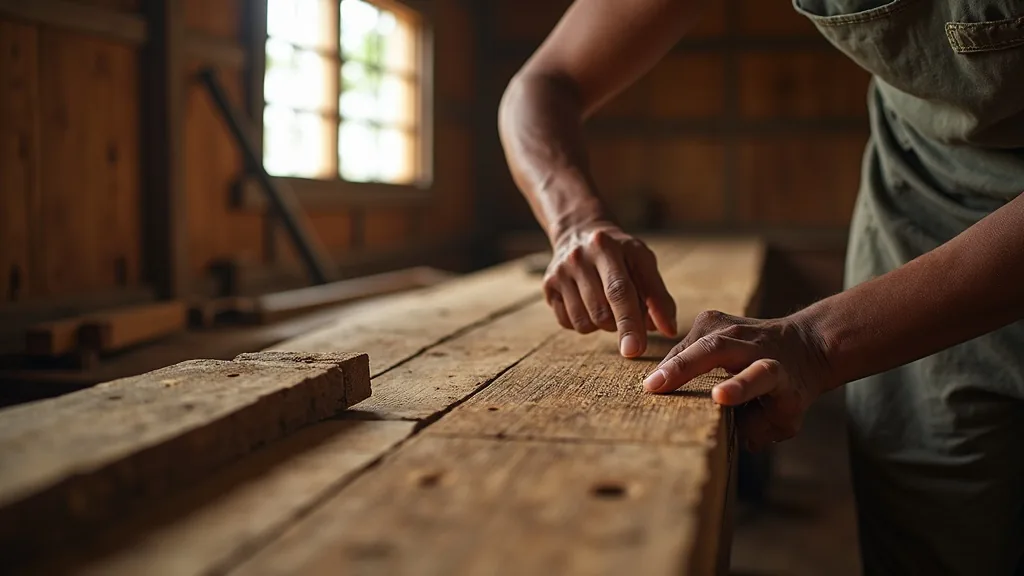
Traditional Plank-Joining Techniques of Bulukumba
The traditional techniques Bulukumba craftsmen use to join phinisi planks without nails center on pasak — hand-carved hardwood dowels driven through pre-drilled holes to lock overlapping hull planks together — combined with a shell-first building sequence that raises the entire hull before a single internal frame goes in. This dowel-and-plank joinery, refined over generations by the Konjo boatbuilding community around Tanjung Bira and Tana Beru, is the specific craft UNESCO recognized in 2017 when it inscribed Pinisi boatbuilding on its Representative List of the Intangible Cultural Heritage of Humanity. For anyone commissioning a custom phinisi, understanding this method is the fastest way to tell a heritage-grade hull from a shortcut-built one.
What Are the Traditional Techniques Bulukumba Craftsmen Use to Join Phinisi Planks Without Nails?
Most modern wooden boatbuilding starts with a frame or skeleton, then skins it in planking. Bulukumba shipwrights still work the opposite way, a method boatbuilding historians call shell-first or plank-first construction. The keel is laid — typically in ironwood (locally called kayu besi or ulin) for its density and rot resistance — and planks are added upward and outward from it, one course at a time, each one shaped by eye and hand to follow the hull’s curve before any single rib exists to guide it.
Where the planks meet, craftsmen do not reach for nails, screws, or metal brackets on the primary hull structure. Instead, they:
- Shape each plank edge so it seats tightly against its neighbor, often using a rabbeted or scarfed joint rather than a flat butt join.
- Bore a series of holes through both overlapping planks at the joint line.
- Drive a hand-turned wooden dowel — the pasak — through each hole, effectively pinning the planks together from the inside without piercing the hull with metal.
- Trim and finish the dowel flush, then seal the seams with traditional caulking material to keep the joint watertight.
- Only after the hull shell is fully planked do builders insert the internal ribs and frames, which reinforce a shape that already exists — the reverse sequence of Western-style boatbuilding.
The result is a hull held together almost entirely by wood-on-wood friction and compression rather than metal fasteners. It is a slower, more skill-dependent process than nailing planks to a pre-built frame, and it is precisely why not every wooden-boat yard outside South Sulawesi can replicate it authentically — the technique lives in the hands of Konjo builders rather than in a written manual.
Why Does UNESCO Recognize This Joinery as Intangible Cultural Heritage?
In 2017, UNESCO inscribed the “Art of boat building and sailing of Pinisi” on its Representative List of the Intangible Cultural Heritage of Humanity, recognizing the Konjo community’s transmission of shipbuilding knowledge across generations largely without formal blueprints. That recognition is grounded in exactly the joinery discussed above: builders in Tanjung Bira and Tana Beru still lay out a hull by trained eye, judge plank curvature by hand, and fit dowel joints the way their fathers and grandfathers taught them.
The practical upside for an owner is durability. Because there are no iron nails driven through the outer planking to corrode, rust-stain, or work loose in salt water over years of use, a properly pasak-joined hull ages differently than a conventionally fastened wooden boat — the joints can flex slightly with the working of the hull at sea instead of fighting against rigid metal fixings. This is one of the concrete build-quality differences worth asking about when comparing a genuine Bulukumba-built phinisi against a generic wooden vessel built elsewhere and marketed under the same name.
How Long Does a Pasak-Joined Phinisi Take to Build?
Because every plank is individually shaped and pinned by hand rather than pre-cut to a machine template, build timelines run considerably longer than fiberglass or steel construction. As of 2026, a realistic range for a full custom build in Bulukumba is 12 to 24 months, depending on hull length, wood availability, and finishing specification.
| Hull Length | Indicative Build Duration | Typical Use |
|---|---|---|
| 20–25 meters | 12–15 months | Liveaboard/charter, 6–10 cabins |
| 25–35 meters | 15–20 months | Larger charter or private yacht |
| 35 meters and above | 20–24+ months | Flagship private or commercial vessel |
These ranges are indicative only — actual duration shifts with wood curing time, weather, the yard’s concurrent workload, and how much custom joinery and interior fit-out is specified. Ironwood is generally reserved for the keel and structural members, while teak (jati) is the standard choice for hull planking, decking, and interior cabinetry on most builds commissioned out of Tana Beru.
What Should You Budget for a Custom Phinisi Build?
Pricing for a Bulukumba-built phinisi is genuinely project-specific — hull length, wood grade, engine and electrical systems, cabin count, and interior finish level all move the number substantially, and material and labor costs continue to shift year to year. Rather than quote a fixed figure here, which would misrepresent what is an individually negotiated build contract, we recommend requesting a written, itemized quotation before committing to a yard or a timeline. Be cautious of any quote that promises a fixed multi-year customs, import, or flagging outcome as part of the build price — those are separate regulatory processes that should be confirmed independently, per current 2026 rules, rather than taken on a builder’s word alone.
From Bulukumba to Bali and Labuan Bajo — How Is a New Phinisi Delivered?
Once sea trials are complete at the builder’s harbor near Tanjung Bira or Tana Beru, a new phinisi is typically sailed or towed to its home port. A large share of the liveaboard and charter phinisi operating in the Komodo National Park area today were originally built in this stretch of coastline, then delivered onward to Labuan Bajo. Owners based in Bali often route delivery to a marina berth on that side of the archipelago instead, which is where cross-ecosystem berthing support through Kurakura Marina becomes relevant for owners who want dedicated marina infrastructure rather than an informal anchorage once the vessel arrives.
Delivery logistics, insurance during transit, and the handover inspection are all details worth locking down in the build contract before the keel is even laid, not negotiated after the hull is finished.
Why Commission Your Build Through JHG’s Bulukumba Network?
Commissioning a custom phinisi directly with a single Bira or Tana Beru yard means managing wood sourcing, contract milestones, quality inspection, and delivery logistics yourself, often from overseas and without a Bahasa Indonesia-fluent representative on the ground. Our team coordinates that process end-to-end — from selecting a yard experienced in genuine pasak joinery through to sea trial and delivery to Bali or Labuan Bajo — so the owner is dealing with one point of contact rather than juggling a shipyard, a wood supplier, and a delivery crew separately.
If you are comparing established yards in the Bira-Tana Beru area before commissioning, our overview of phinisi yacht builders in Bira and Tana Beru walks through what to look for in a yard’s track record and workshop practices. For owners ready to scope a build, our custom phinisi yacht construction page covers how we structure the commissioning process, from initial specification through to milestone-based contract oversight.
We are part of Juara Holding Group, operating from Bali across Indonesia since 2015, and we work with the same traditional pasak-and-plank techniques Bulukumba craftsmen have used to join phinisi hulls without nails for generations — we simply manage the surrounding logistics, contracting, and delivery so the build itself stays in the hands of the craftsmen who know it best.
To discuss a custom phinisi build, a delivery timeline to Bali or Labuan Bajo, or an inspection visit to a Bulukumba yard, reach our team directly on WhatsApp at +62 811-3941-4563 or by email at bd@juaraholding.com.