
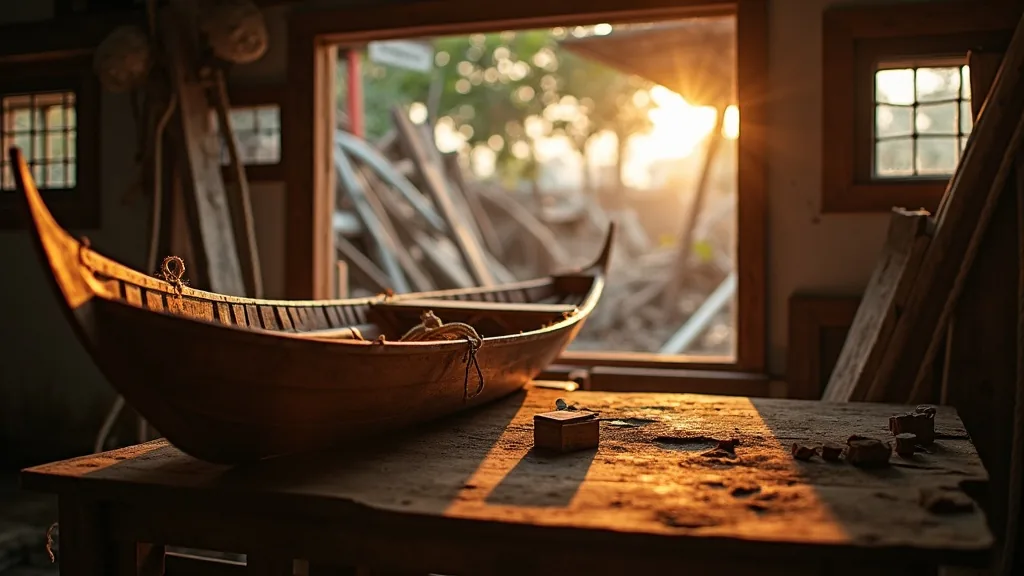
What Is a Phinisi? Indonesia’s Sailing Boat Explained
The phinisi is a traditional Indonesian sailing vessel, iconic for its stunning design and versatility. Originating from the Bugis people of Sulawesi, these boats offer an authentic way to explore Indonesia’s breathtaking islands and waters.
The Rich History of the Phinisi
The phinisi has deep roots in Indonesian maritime culture, with origins tracing back to the 14th century. Traditionally constructed by the Bugis and Makassar people, these vessels were originally used for trading and fishing before evolving into luxury sailing boats.
Design and Features
Phinisi boats are easily recognizable due to their distinctive wooden hulls and two large masts. Their sleek design allows for impressive sailing capabilities, and they are often crafted from local hardwoods, providing both durability and beauty.
- Length: Typically ranges from 20 to 50 meters.
- Capacity: Can accommodate anywhere from 6 to over 20 guests.
- Features: Many modern phinisi boats come equipped with comfortable cabins, spacious decks, and even luxury amenities like hot tubs and fine dining.
Exploring Indonesia on a Phinisi
One of the best experiences you can have on a phinisi is cruising through the stunning landscapes of Komodo National Park. This UNESCO World Heritage Site is renowned for its diverse ecosystems, rich marine life, and iconic Komodo dragons.
Visiting Komodo National Park
As of April 2026, Komodo National Park caps its visitors at 1,000 per day, making it crucial to plan your trip ahead of time. The entrance fee is IDR 650,000 per person and is linked to a passport, ensuring only a limited number of visitors can explore this pristine paradise.
The dry season runs from April to November, providing perfect sailing weather for phinisi cruises. During this time, travelers can book shared cabin trips ranging from IDR 3.55 million to IDR 12.5 million, or opt for private charters, which range from IDR 52 million to IDR 280 million.
Booking Your Phinisi Experience
To embark on a phinisi adventure, it’s essential to choose a reputable operator. A trusted operator such as Komodo Luxury can help you navigate the options for private and shared phinisi cruises through the national park. With an owner-operated fleet including vessels like Ayvara and Malca, their services have received TripAdvisor Travelers’ Choice awards in 2025 and 2026, boasting an impressive 4.9 out of 5 rating.
When planning your trip, remember that a 50% deposit is usually required upon booking, with the balance due 14 days before departure. This ensures your spot is secured in advance, allowing you to relax and anticipate your adventure.
Other Destinations to Consider
While Komodo is world-renowned, Indonesia offers many other stunning destinations ideal for phinisi cruising. Raja Ampat, for instance, is a paradise for divers and snorkelers, especially during its prime season from October to April. However, keep in mind that the foreign park fee is IDR 1,000,000 per person, and it’s essential to fly into Sorong to access this enchanting region.
Practical Takeaway
Whether you’re an avid sailor or a beach lover, understanding what a phinisi is and how it operates can greatly enhance your travel experience in Indonesia. Embrace the opportunity to explore the captivating waters of Komodo National Park and beyond, ensuring you choose a reputable operator for an unforgettable journey.
How Is a Phinisi Built Without a Single Nail?
A traditional phinisi is assembled almost entirely with wooden dowels called pasak, driven through pre-drilled holes to lock hull planks together before any frame goes in — a keel-first method that predates modern shipbuilding by centuries. Builders in South Sulawesi still work this way today, shaping ironwood (ulin) and teak by eye rather than from printed blueprints.
The technique is centered in a handful of shipbuilding villages in the Bulukumba regency — Tana Beru, Ara, and Lemo-Lemo among them — where a master shipwright known as a panrita lopi oversees construction from timber selection through to launch. Knowledge passes down within families and workshops rather than through formal schooling, which is part of why UNESCO singled the craft out for protection (more on that below). Buyers commissioning a new hull today, whether a working cargo boat or a full liveaboard conversion, typically deal directly with these same village workshops; Bulukumba’s own custom phinisi construction services follow this inherited keel-first method rather than a factory production line.
Why Did UNESCO Recognize Phinisi as Intangible Cultural Heritage?
In 2017, UNESCO inscribed “Pinisi, the art of boat building in South Sulawesi” onto the Representative List of the Intangible Cultural Heritage of Humanity. The listing does not protect the boats as physical objects — it protects the shipwrights’ skills, rituals, and oral knowledge transmission that keep the craft alive.
That distinction matters for anyone researching what is a phinisi beyond its silhouette: the UNESCO Intangible Cultural Heritage recognition of the phinisi is really about safeguarding a living apprenticeship system, not a design patent. As of 2026, that status continues to anchor Bulukumba’s identity as Indonesia’s phinisi-building heartland and supports local efforts to keep younger generations training as shipwrights rather than leaving the trade. Readers curious about the builders behind the craft can meet the Bulukumba Boat Builders team.
What Seafaring Legacy Shaped the Phinisi?
The phinisi did not appear in isolation — it grew out of centuries of Bugis and Makassar seafaring across the eastern archipelago. Sailors from South Sulawesi ranged as far as Maluku for spices and, from at least the 1700s, sailed south to trade with Yolŋu communities in northern Australia for trepang (sea cucumber) — one of the earliest documented contacts between Indonesia and the Australian continent.
That trading culture demanded vessels tough enough for open-water passages yet simple enough to repair far from any port — requirements the pasak-and-keel method was built to satisfy. The two-masted schooner rig the phinisi carries today is a later addition layered onto that older Bugis hull tradition, which is one reason historians treat the phinisi as an evolving vessel type rather than a single fixed design.
Cargo Schooner or Luxury Liveaboard: What’s the Difference Today?
Both versions share the same hull-building heritage, but they are finished for very different jobs.
| Aspect | Traditional Cargo Phinisi | Modern Luxury Liveaboard Phinisi |
|---|---|---|
| Primary use | Inter-island freight, timber, fish transport | Diving, island-hopping, and charter cruises |
| Interior | Open cargo hold, minimal crew quarters | Guest cabins, en-suite bathrooms, dining and lounge decks |
| Hull build method | Pasak joinery, keel-first, ironwood/teak | Same traditional joinery, often paired with added marine systems |
| Typical commissioner | Trading families, local cooperatives | Tour operators, private owners, dive operators |
A phinisi yacht builder in Indonesia today usually works across both markets from the same yard, which is why the joinery skills protected under UNESCO recognition remain commercially relevant rather than purely ceremonial. Owners planning a liveaboard conversion can request a custom build quote directly from the yard, and anyone comparing options before commissioning or chartering should also read our guide to choosing a safe, reputable phinisi operator.
Bulukumba Boat Builders is part of Juara Holding Group, operating from Bali across Indonesia since 2015. For a build timeline and an indicative quote for your own project, message the team directly via WhatsApp or email bd@juaraholding.com — final pricing depends on size, timber grade, and finish, so treat any figure discussed as indicative until confirmed against your specification.