
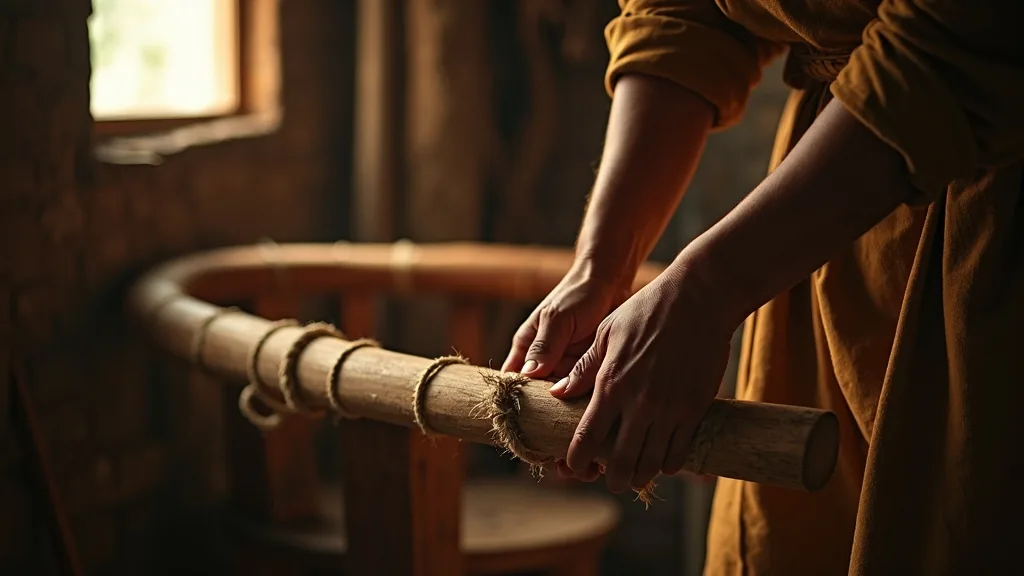
Traditional Rituals at Phinisi Construction Milestones
Long before a single plank is fitted, traditional rituals accompany key construction milestones in Tana Beru shipyards — from the choosing of the keel timber to the final push into the Flores Sea. These ceremonies are not staged for tourists; they are working customs, still observed by the Konjo shipwrights of Bulukumba who have built ocean-going phinisi by hand for generations. Understanding them helps explain why a phinisi built in Tana Beru carries cultural weight that a fiberglass hull never will.
What Makes Tana Beru and Tanjung Bira the Heart of Phinisi Shipbuilding?
Bulukumba Regency, at the southeastern tip of South Sulawesi, is home to two villages that anchor Indonesia’s wooden boatbuilding tradition: Tana Beru, where the largest hulls are laid, and Tanjung Bira, better known today for its white-sand coastline and dive resorts. Boatbuilding here is the inherited trade of the Konjo people, a Bugis-Makassar subgroup whose knowledge of hull lines, wood selection, and rigging has passed from father to son without formal blueprints for centuries. In 2017, UNESCO inscribed “The Art of Boatbuilding in South Sulawesi” on its Representative List of the Intangible Cultural Heritage of Humanity, formally recognizing what Konjo families already knew — that this is a living craft worth protecting. If you are new to the vessel itself, our companion guide on what a phinisi actually is covers the hull design, rigging, and history in more depth.
Builders still favor ironwood (locally called bitti or besi) for keels and frames because of its density and natural resistance to rot and marine borers, paired with teak for hull planking and decking. A single phinisi typically takes twelve to twenty-four months to complete depending on size and specification — and much of that calendar is punctuated by ceremony, not just carpentry.
What Rituals Surround the Selection and Preparation of the Keel Timber?
Work on a new hull rarely begins the day the client signs off on a design. Master builders, known locally as panrita lopi, traditionally consult the customary calendar before felling or laying the first keel timber, avoiding days considered unfavorable and waiting for one deemed auspicious for the vessel’s future. The keel itself is usually cut in two main sections — bow and stern — which are later joined at the shipyard rather than milled as a single piece, a practical choice given the size of the trees required and the logistics of moving timber from forest to coast.
Before the timber is shaped, it is common for the builder or a respected elder to offer a short prayer over the wood, asking for protection over the work ahead and for the safety of everyone who will eventually sail the finished ship. This is the first of several moments where the practical business of shipbuilding and the spiritual life of the Konjo community visibly overlap.
How Do Traditional Rituals Accompany Key Construction Milestones in Tana Beru Shipyards?
From keel-laying through mast-stepping to the day the hull finally touches the sea, traditional rituals accompany key construction milestones in Tana Beru shipyards at almost every stage where the ship’s structure changes in a meaningful way. Each milestone is treated as a threshold — a point where the vessel is considered more vulnerable, and therefore more in need of blessing — rather than simply a scheduling checkpoint on a build plan.
The Keel-Laying Ceremony
Joining the bow and stern sections of the keel is the ceremonial start of construction proper. Offerings such as betel nut, rice, and small amounts of money or cloth are traditionally placed at the joint before it is secured, a gesture meant to invite good fortune and ward off misfortune for the ship and its future crew. The prayers spoken at this stage typically blend Islamic invocations with older Bugis-Makassar customary elements, reflecting the layered religious history of the region rather than any single doctrine. For many Tana Beru families, skipping this step is simply not done, regardless of how modern the rest of the build specification might be.
Mast-Stepping and Mid-Build Blessings
As the hull takes shape and the deck is fitted, a second, quieter round of blessing often accompanies the stepping of the masts — historically the two raked masts that give the phinisi its distinctive silhouette. Because the mast carries the rig that will drive the ship through open water, builders treat its installation as another point where care and ceremony matter as much as measurement.
The Sea-Launch Ceremony
Launch day is the most visible of the milestones and often draws the whole shipyard community. The hull is rolled toward the water on log rollers or rails, pulled by ropes and manual labor rather than machinery, a communal effort that can take hours depending on the vessel’s size. Prayers are recited for the safety of the ship and everyone who will sail on it, and in some builds a small sacrificial offering still accompanies the moment the hull first meets salt water. The ship is frequently named at this point as well, marking the transition from a construction project to a vessel with its own identity. Builders working today on charter and liveaboard tonnage bound for the Komodo route describe the launch as the moment a hull “becomes” a ship rather than a job.
Why Do These Rituals Matter for UNESCO Heritage Status and Today’s Buyers?
UNESCO’s 2017 inscription did not invent this ceremonial layer — it recognized a practice that was already centuries old and still functioning as living heritage, not museum re-enactment. That distinction matters for anyone commissioning a vessel today. A phinisi built in Tana Beru is not simply a wooden hull assembled to a set of drawings; it carries a construction history in which traditional rituals accompany key construction milestones in Tana Beru shipyards precisely because the builders, not a marketing department, still consider it necessary. For operators running Komodo liveaboards or private charter yachts, that authenticity is increasingly part of the story guests want to hear, and it is one reason so many charter-grade phinisi in the Labuan Bajo fleet trace their hull back to Bira and Tana Beru. Our detailed look at the phinisi yacht builders of Bira and Tana Beru goes further into how individual shipyards and builder families are organized.
How Does Bulukumba Boat Builders Combine Heritage Craft with Modern Build Standards?
Commissioning a custom phinisi means working within this ceremonial rhythm while still meeting modern requirements — engine specification, safety equipment, interior fit-out, and delivery logistics to Bali or Labuan Bajo once the hull is complete. As part of Juara Holding Group, operating from Bali across Indonesia since 2015, we coordinate the end-to-end process for clients: liaising with Tana Beru shipyards and master builders, managing design and specification, tracking the build through its milestones — ceremonial and structural alike — and arranging safe delivery once the vessel is seaworthy. Build timelines generally run twelve to twenty-four months depending on hull size, wood availability, and the level of custom fit-out requested; any quote we provide is indicative and should be confirmed against the specific design, materials, and shipyard capacity at the time of commissioning, since timber sourcing and seasonal conditions can shift a schedule.
Once a completed phinisi is delivered to Bali, ongoing berthing, maintenance access, and marina services are available through our sister facility, Kurakura Marina, which supports vessels moving between Bali and the Komodo and Raja Ampat charter routes.
If you are considering a custom build and want to understand what a realistic timeline, budget range, and shipyard selection would look like for your project, reach out directly rather than guessing from general listings online. Message us on WhatsApp at +62 811-3941-4563 or email bd@juaraholding.com, and we will walk you through the build process, from the first keel-laying blessing in Tana Beru to the day your phinisi is delivered and ready to sail.