
UNESCO Recognition’s Impact on Phinisi Building
The impact of UNESCO Intangible Cultural Heritage status on Phinisi boatbuilding in Bulukumba has been significant since the craft’s inscription in 2017: it turned a generations-old shipwright tradition of the Konjo people into globally recognized heritage, reinforced the apprenticeship system that keeps master-level skills alive in Tanjung Bira and Tana Beru, and widened international demand for custom-built phinisi among charter operators and private owners. As of 2026, that recognition still shapes how Bulukumba’s yards train craftsmen, talk about their work, and position wooden vessels to buyers well beyond South Sulawesi. This article looks at what actually changed after the listing, what it means if you are commissioning a custom phinisi today, and what realistic timelines, pricing considerations, and delivery logistics to Bali or Labuan Bajo look like.
What Did UNESCO Actually Recognize in 2017?
In December 2017, UNESCO inscribed the traditional boatbuilding art of South Sulawesi on its Representative List of the Intangible Cultural Heritage of Humanity. The listing did not recognize a single company or shipyard — it recognized a living body of knowledge held by the Konjo people, concentrated in the coastal villages of Tanjung Bira and Tana Beru in Bulukumba Regency, where phinisi hulls have been built by hand for generations without written blueprints.
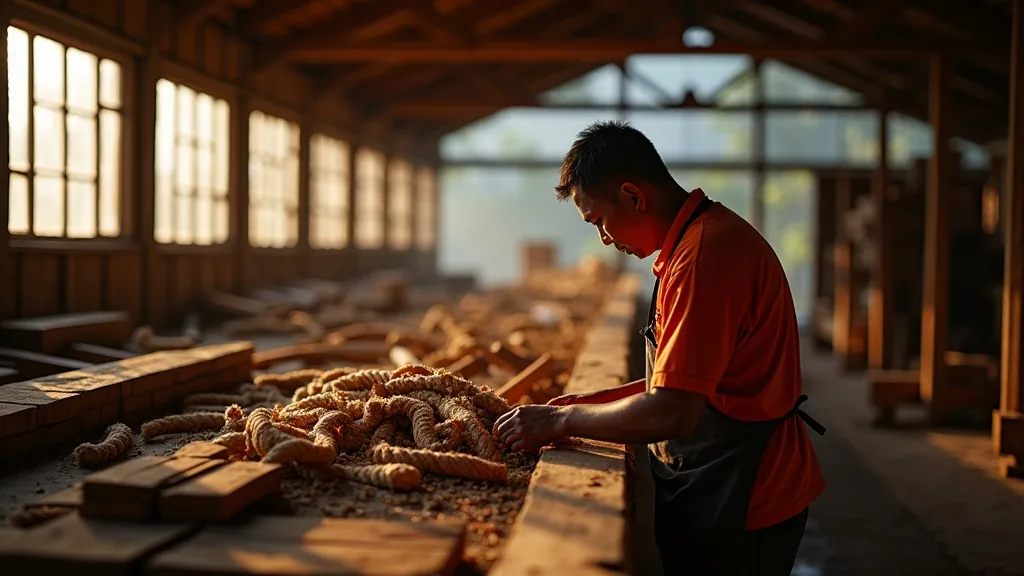
What UNESCO formally acknowledged was the transmission process itself: master builders (locally called panrita) reading timber grain by eye, laying the keel first and building the hull outward before adding internal framing — the reverse of most Western shipbuilding sequences — and passing that judgment from one generation to the next through direct apprenticeship rather than classroom instruction. If you want the fuller picture of what a phinisi actually is and how it differs from other traditional sailing vessels, our guide on what a phinisi is and how it’s built covers the vessel type in detail.
How Has UNESCO Status Impacted Phinisi Boatbuilding in Bulukumba?
The impact of the 2017 UNESCO listing on phinisi boatbuilding in Bulukumba shows up in three connected areas: craft preservation, the apprenticeship pipeline, and international commercial demand. None of these happened overnight, and none of them replaced the hands-on economics of the trade — but nearly a decade on, the shift is visible in how yards operate and how buyers find them.
First, preservation. Formal international recognition gave Bulukumba’s shipwrights a documented, citable status that local government and cultural bodies could point to when discussing heritage protection, tourism promotion, and craft documentation. It also gave the builders themselves a clearer sense that the knowledge they hold has value beyond the regency — something that matters when a trade competes with better-paid, less physically demanding work elsewhere in Indonesia.
Second, apprenticeships. Traditional phinisi construction has always depended on sons, nephews, and neighbors learning at the elbow of an experienced builder over years, not weeks. UNESCO status did not create a training school, but it did add prestige to staying in the trade, which matters for retention in a craft where the deepest skills — hull-fairing by eye, joint-fitting without power tools — take a decade or more to develop and where losing even one generation of apprentices would be difficult to recover from.
Third, demand. Recognition raised the profile of Bulukumba-built vessels among international buyers, particularly the liveaboard and charter yacht market serving Komodo National Park and eastern Indonesia more broadly. Many of the phinisi now diving and cruising Komodo waters were built in the same Tana Beru and Tanjung Bira yards that UNESCO recognized. For a closer look at the builders working in those specific villages, see our profile of phinisi yacht builders in Bira and Tana Beru.
Craft Preservation and the Apprenticeship Pipeline
What preservation looks like in practice is less dramatic than it sounds: it is a master builder still walking a half-built keel with a handful of apprentices, correcting a plank angle by eye rather than by drawing. The UNESCO listing did not change that method — it is precisely that method that was recognized. Its practical effect has been to make the trade more visible as a career worth entering, at a time when younger generations across Indonesia have more competing options for work than their parents did.
From Local Sailing Vessels to International Custom Yachts
Phinisi were originally built as inter-island trading and fishing schooners, moving cargo and people across the Indonesian archipelago long before tourism existed as an industry. The commercial shift toward custom-built charter yachts and liveaboards — many bound for Komodo or Raja Ampat itineraries — has accelerated over the past decade, and international buyers researching “where phinisi come from” increasingly land on Bulukumba specifically because of the UNESCO association. That said, the underlying construction techniques buyers are paying for are the same ones UNESCO recognized in 2017, not a modernized substitute.
What the Construction Process Looks Like Today
Traditional Bulukumba phinisi are still built predominantly from ironwood (locally known as ulin) for keel, ribs, and structural members, valued for its density and natural resistance to rot and marine borers, with teak commonly used for decking, interior joinery, and finish work. Construction still generally follows the keel-first sequence: the keel and stem/sternposts go down, the hull planking is shaped and fitted around them, and only later is internal framing added to reinforce the shell — a method distinct from frame-first Western wooden boatbuilding and one of the specific elements UNESCO’s inscription highlighted.
Modern commissions layer contemporary systems onto this traditional hull: marine engines, generators, plumbing, air conditioning, navigation electronics, and interior fit-out to charter or private-owner specification. The wood and the hand-built hull method remain traditional; everything above the waterline is negotiated based on the owner’s intended use, whether that’s a Komodo liveaboard, a private cruising yacht, or a smaller day-charter vessel.
Build Timelines and Indicative Pricing
Build duration depends heavily on vessel size, wood availability, and the complexity of the interior and systems specification. As a general guide:
| Vessel Size Category | Typical Build Timeline | Common Use |
|---|---|---|
| Smaller custom vessels | Approximately 12 months | Day charter, smaller private cruising boats |
| Mid-size liveaboards | Approximately 15–20 months | Komodo/Raja Ampat charter operations |
| Larger custom yachts | Approximately 20–24 months | Full custom private yachts, larger liveaboard fleets |
These ranges are indicative and vary by yard capacity, ironwood and teak availability, and how detailed the interior and systems package is. Pricing is likewise project-specific — it depends on length, wood grade, engine and electronics selection, interior finish level, and classification or flagging requirements — so we do not quote fixed figures here. Any credible builder or broker should walk you through a scope-based estimate rather than a flat number. We also do not promise specific import, registration, or flagging timelines, since these depend on current Indonesian regulations and the vessel’s intended flag state; that side of the process should be confirmed with the relevant authorities at the time of contracting, not assumed from general guidance.
Delivery to Bali and Labuan Bajo
Once a vessel is launched and sea trials in Bulukumba waters are complete, delivery typically means sailing the phinisi to its operating homeport — most commonly Bali or Labuan Bajo, the two hubs closest to the charter and liveaboard routes most owners are building for. Labuan Bajo puts a vessel directly at the gateway to Komodo National Park; Bali offers broader marina infrastructure, provisioning, and access to a wider international charter market.
For owners basing a new phinisi in Bali, berthing and marina logistics are a separate consideration from the build itself. Kurakura Marina, part of the same ecosystem of Indonesian marine operators, is one option worth evaluating for Bali-based mooring, servicing, and marina access once your vessel is delivered.
Commissioning a Phinisi Build With JHG
Juara Holding Group coordinates end-to-end custom phinisi construction for buyers who want a single point of contact rather than managing a Bulukumba yard, delivery logistics, and Bali marina arrangements separately — from initial specification and yard selection through build oversight, sea trials, and delivery sailing to Bali or Labuan Bajo. Part of Juara Holding Group — operating from Bali across Indonesia since 2015 — our role is to translate what you want to use the vessel for into a realistic build brief, then keep the project accountable to that brief through to delivery.
If you are considering commissioning a custom phinisi and want a straight answer on what your specification would realistically cost and take to build, reach out directly. Message us on WhatsApp at +62 811-3941-4563 or email bd@juaraholding.com and we’ll walk through your requirements.