
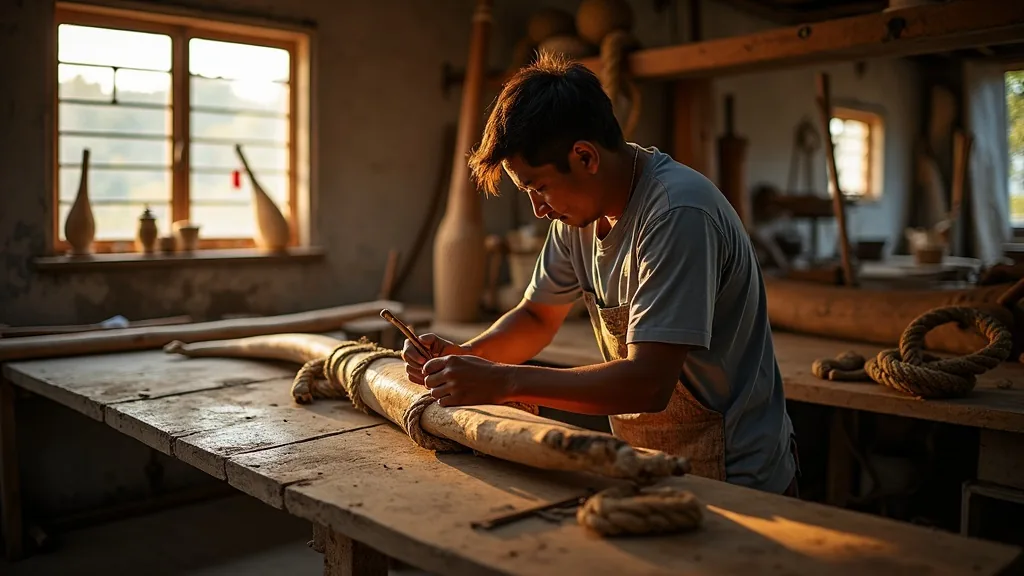
Bugis Boat Builders: Heritage Behind Every Phinisi
Bugis boat builders in Bulukumba, South Sulawesi, are the master shipwrights behind the phinisi — Indonesia’s iconic twin-masted sailing vessel, recognized by UNESCO as Intangible Cultural Heritage of Humanity in 2017. Working from the shipyards of Tanjung Bira and Tana Beru, these craftsmen still build hulls plank-by-plank from ironwood and teak, using measurement knowledge passed down through generations rather than blueprints. As of 2026, the same coastal workshops that launched trading schooners a century ago are commissioned by owners around the world to build custom liveaboards for Komodo, Raja Ampat, and private charter fleets.
Who Are the Bugis Boat Builders of Bulukumba?
The term “Bugis” refers broadly to the seafaring people of South Sulawesi, though the shipwrights of Bulukumba regency more precisely belong to the Konjo, a coastal sub-group closely tied to Bugis and Makassarese maritime culture. For generations, Konjo families in the villages around Tanjung Bira and Tana Beru have specialized in one craft: building large wooden sailing ships by hand. Skills move from father to son and master to apprentice on the beach itself, not in a classroom, which is part of why outsiders still refer to the whole tradition under the “Bugis boat builders” name even though the actual builders are Konjo craftsmen operating within the wider Bugis-Makassar seafaring world.
What makes this group notable today is continuity. Unlike many traditional trades that have industrialized or disappeared, Bugis boat builders in Bulukumba still lay keels on open sand yards, still select timber by eye, and still finish hulls destined for international charter operators, dive liveaboards, and private owners. That combination of unbroken craft tradition and modern commercial demand is what draws buyers to this stretch of coast rather than a generic shipyard elsewhere in Indonesia.
The Living Heritage Behind Every Phinisi
Bugis and Makassarese sailors have moved goods, people, and influence across the archipelago and beyond for centuries, and the phinisi is the clearest surviving expression of that seafaring history. In 2017, UNESCO inscribed “Pinisi, art of boatbuilding in South Sulawesi” on its Representative List of the Intangible Cultural Heritage of Humanity, formally recognizing Bulukumba’s builders as custodians of a living tradition rather than a historical curiosity. That listing did not change the trade itself so much as confirm what buyers and researchers already knew: this is one of the few places on earth where large wooden sailing ships are still built entirely by hand, using techniques that predate modern naval architecture software by centuries.
For a fuller breakdown of what actually defines this vessel type — hull form, rig, and how it differs from other Indonesian wooden boats — see our companion guide on what a phinisi actually is. The short version: it is a two-masted wooden sailing ship of Sulawesi origin, historically used for interisland trade, now built primarily as a liveaboard, charter yacht, or private cruiser.
How Are Traditional Phinisi Hulls Built?
Construction still follows a shell-first sequence that is unusual by global shipbuilding standards. Instead of erecting a skeleton of ribs and then attaching planking, Bugis boat builders shape and edge-join the hull planks first, building the outer shell of the ship almost like a large wooden shell, and only then insert internal frames to reinforce it. It is a method that relies on experience and eye judgment far more than on written plans — most yards still do not work from formal blueprints, using instead proportions and reference measurements carried in the builder’s memory.
Timber choice is central to the craft and to the boat’s longevity. Keels and structural members are typically ironwood (locally “bitti” or besi wood), prized for its density and resistance to rot and marine borers, while teak is the preferred material for planking and deck finishing because of its natural oils and dimensional stability in tropical, saltwater conditions. Before construction begins, many yards still observe a keel-laying ceremony on a day considered auspicious — a nod to the maritime customs that surround the trade, not just the woodworking itself.
Because everything is built by hand outdoors on the beach at Tana Beru and Tanjung Bira, the pace of work is dictated by weather, timber seasoning, and the size of the crew — not by a factory schedule. That is one reason phinisi construction timelines run in months rather than weeks, and why buyers who want a serious, seaworthy vessel plan the process well in advance rather than treating it as an off-the-shelf purchase.
What Does a Custom Phinisi Build Cost, and How Long Does It Take?
Timelines vary mainly with hull length, cabin count, and finish level. As a general guide only — every quote depends on final specification, so treat this as indicative, not a quotation — a smaller open-layout vessel can be completed in around 12 months, while a larger multi-cabin liveaboard built to charter or superyacht-style specification commonly takes 18 to 24 months from keel-laying to sea trials. Interior fit-out, engine and systems installation, and finishing work typically extend beyond the raw hull-building phase.
Cost follows a similarly wide range, driven by length, wood grade, engine and generator specification, cabin count, and interior finish (open deck versus air-conditioned suites, for example). Rather than quote a fixed figure — which would not hold across builders, timber markets, or specifications — we recommend treating any published number you see online as a rough starting reference only. A written specification and a formal quotation from the yard or project manager handling your build is the only reliable way to know true cost, and buyers should also budget contingency for import duties, flagging, insurance, and delivery separately from the build price itself.
Commissioning a Custom Phinisi Build
Most private buyers and charter operators do not walk into a Tana Beru yard alone and negotiate directly — the process works better with an intermediary who can translate specification into build terms, oversee quality at each stage, and manage payment milestones tied to progress (keel-laying, frame-up, planking, deck, and fit-out). A structured commissioning process typically covers:
- Defining hull length, beam, cabin count, and intended use (private cruising, dive liveaboard, charter yacht)
- Selecting timber grade and specifying engine, generator, water-maker, and electrical systems
- Agreeing a staged payment and inspection schedule tied to build milestones
- Planning interior design, joinery, and finish level separately from the hull-building phase
- Arranging sea trials, documentation, flagging, and delivery logistics before handover
For a closer look at how a working phinisi yard operates day to day, including the yards clustered around Bira and Tana Beru specifically, see our profile of phinisi yacht builders in Bira and Tana Beru.
From Bulukumba to Bali and Labuan Bajo: Delivery and Homeporting
Once sea trials are complete, most newly built phinisi vessels sail under their own power to their home port rather than being transported by cargo ship, which also serves as an extended shakedown cruise. Labuan Bajo is the natural destination for boats intended for Komodo National Park charter and liveaboard diving operations, since a large share of the region’s liveaboard fleet was originally built in Bulukumba. Bali, particularly the Benoa and Serangan areas, is the more common choice for private owners and yachts that will operate a wider Indonesian or regional cruising itinerary.
Owners homeporting in Bali should plan berthing and marina logistics before the delivery voyage, not after. Within the same ecosystem, Kurakura Marina in Bali provides berthing and marina support for owners bringing a newly delivered phinisi or other yacht into Balinese waters, which pairs naturally with a Bulukumba-built vessel making its first landfall in Bali.
Why Work With Juara Holding Group on Your Build?
Commissioning a wooden ship from a traditional yard hundreds of kilometers from where you live carries real logistical and quality-control risk — specification drift, delayed milestones, and language or documentation gaps are common complaints among first-time buyers who go it alone. Juara Holding Group manages the commissioning process end-to-end: specification, yard liaison, milestone inspection, and delivery coordination to Bali or Labuan Bajo, so buyers get the authenticity of a genuine Bulukumba-built vessel without carrying every logistical risk themselves. Part of Juara Holding Group — operating from Bali across Indonesia since 2015 — this service sits alongside our work with phinisi charter operators and the Kurakura Marina berthing network in Bali, giving a build project a clear path from Tana Beru’s beach yards to open water.
If you are exploring a custom phinisi build — whether a private cruising yacht or a liveaboard for Komodo or Raja Ampat charter — reach out directly to discuss specification, realistic timeline, and indicative budget. Contact our team on WhatsApp at +62 811-3941-4563 or by email at bd@juaraholding.com, and we will walk through what a build with genuine Bugis boat builders in Bulukumba would look like for your project.
Related: what a private yacht charter in Komodo actually costs per night, whole-boat.